先の速報で紹介した環境プラスチック関連SIFEnvironmental Plastics Research Complex (EPReC)の活動の一環として実施した「学生・若手研究者海外派遣プログラム(タイ・バンコク)」について、参加者の報告書を掲載します。
Overseas Dispatch Program for Students and Young Researchers in EPReC Report
Affiliation: Graduate School of Bioresource and Bioenvironmental Science
Position/Year: 2nd-year Masters Student
Name: Fatiha Rahimatuz Zahra
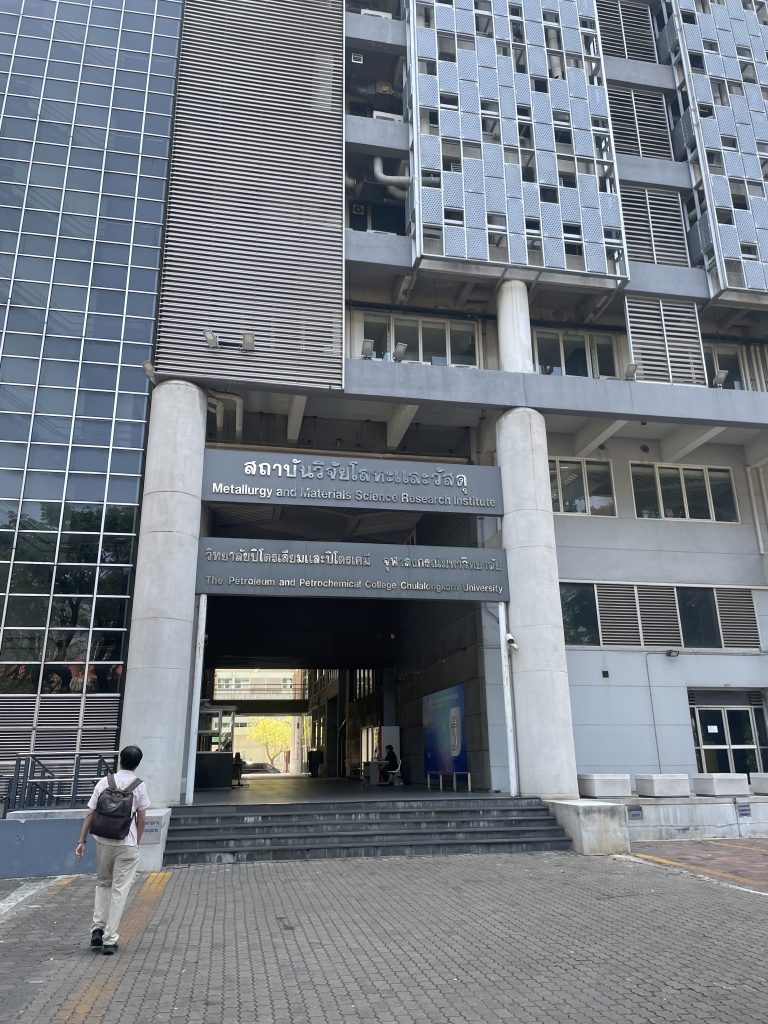
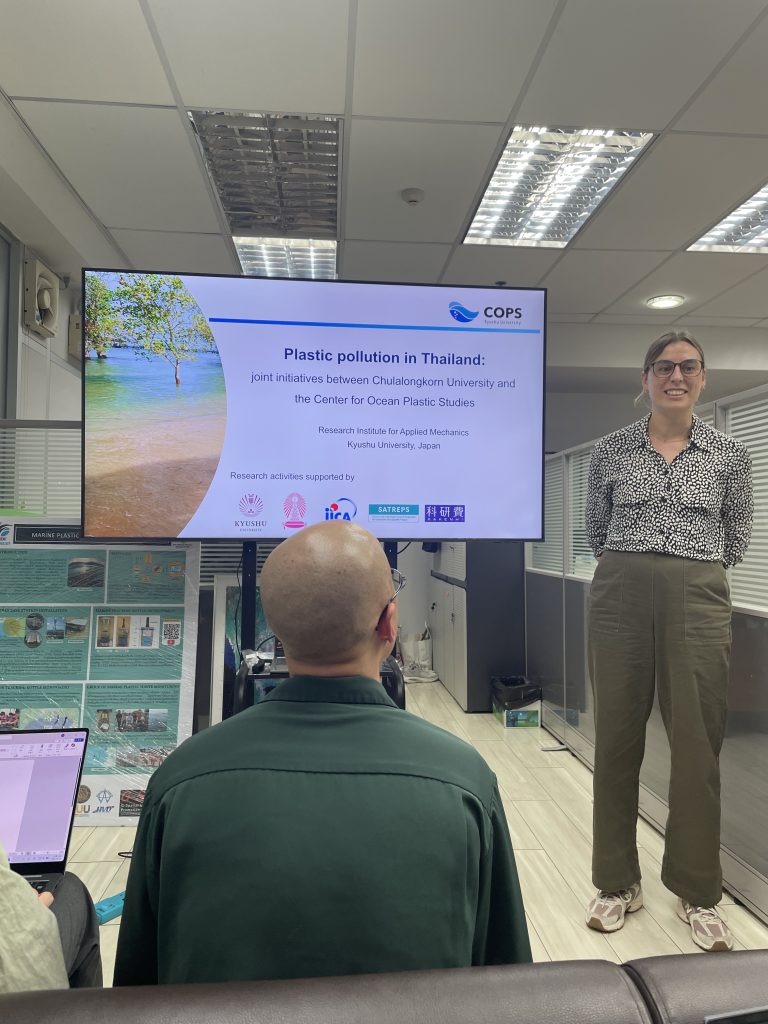
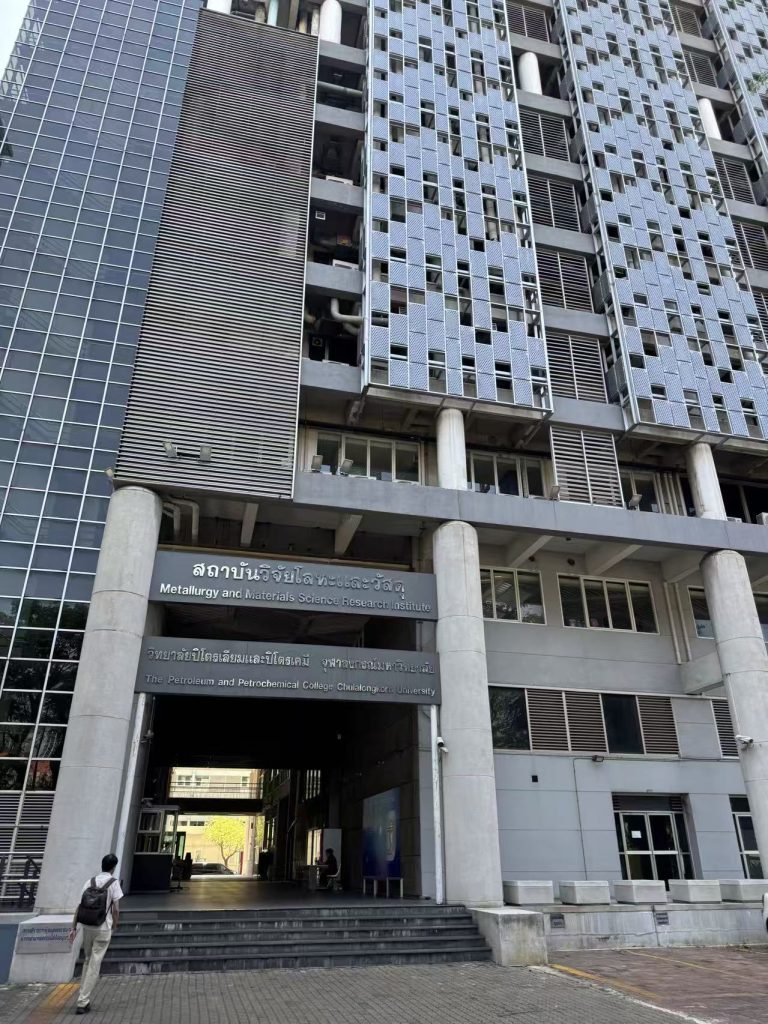
The Overseas Dispatch Program for Students and Young Researchers in EPReC in Bangkok, Thailand involved a series of activities including site visits, lectures and workshops. On March 3, we started with a visit to Kyushu University’s Center for Ocean Plastic Studies (COPS) at Chulalongkorn University. COPS was established as a satellite research center for marine plastic pollution studies located in the Southeast Asian region, where there are large problems of mismanaged plastic waste.
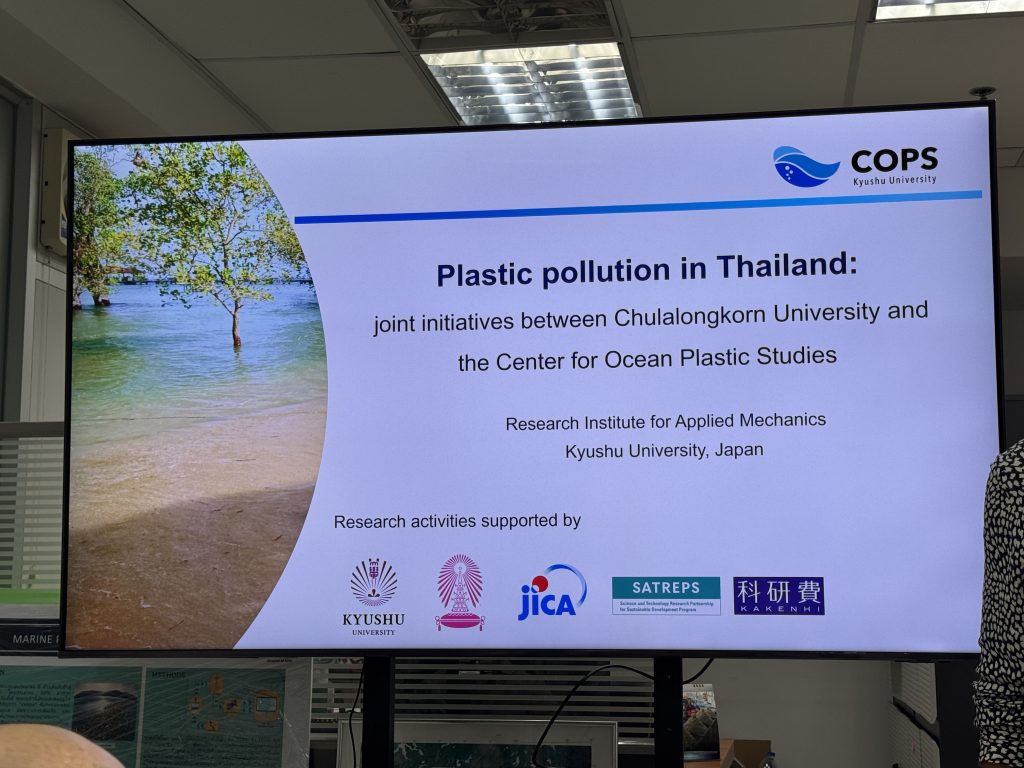
We received insightful lectures on the research activities of COPS by the Professors there, including from Associate Professor Alfoso Maria, Associate Professor Jandang Suppakarn (May), and Assistant Professor Nakano Haruka, followed by engaging questions and answer sessions and discussions surrounding plastic litter. We were able to learn about the research done at Si Chang Island, where floating microplastics were monitored. A study which was especially interesting to me was on how corals become sinks of plastic in ocean. The study investigates how coral morphologies and their plastic uptake mechanism work, therefore might act as a biological sea cleaner, but at the same time might destroy its skeleton. This contributes to insights on how ocean litter can be solved but also at the same time endangers aquatic biota (Zahra_photo1 and 2).
Other research explained were microplastic dynamics in predators and the associated preys, plastic surveys with SEAFDEC, seafloor litter, and plastic ingestion in zooplankton, with studies in Si Chang, Gulf of Thailand, Bangpakong River, and reviews on research protocols to help provide insights for guidelines and data repositories.
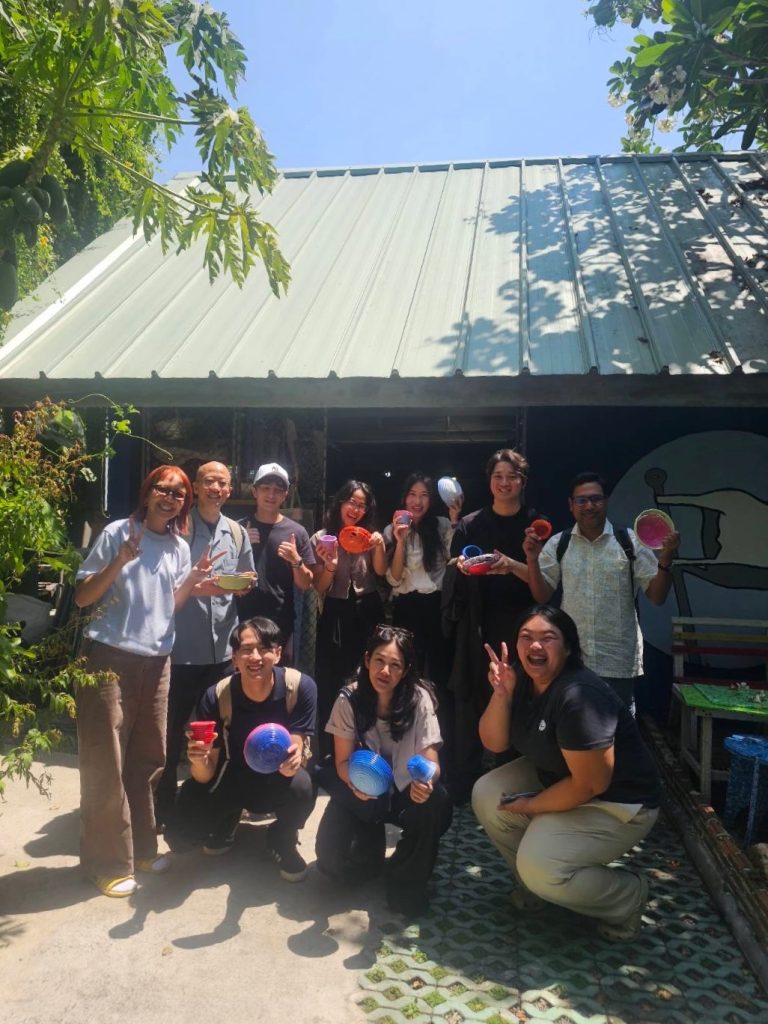
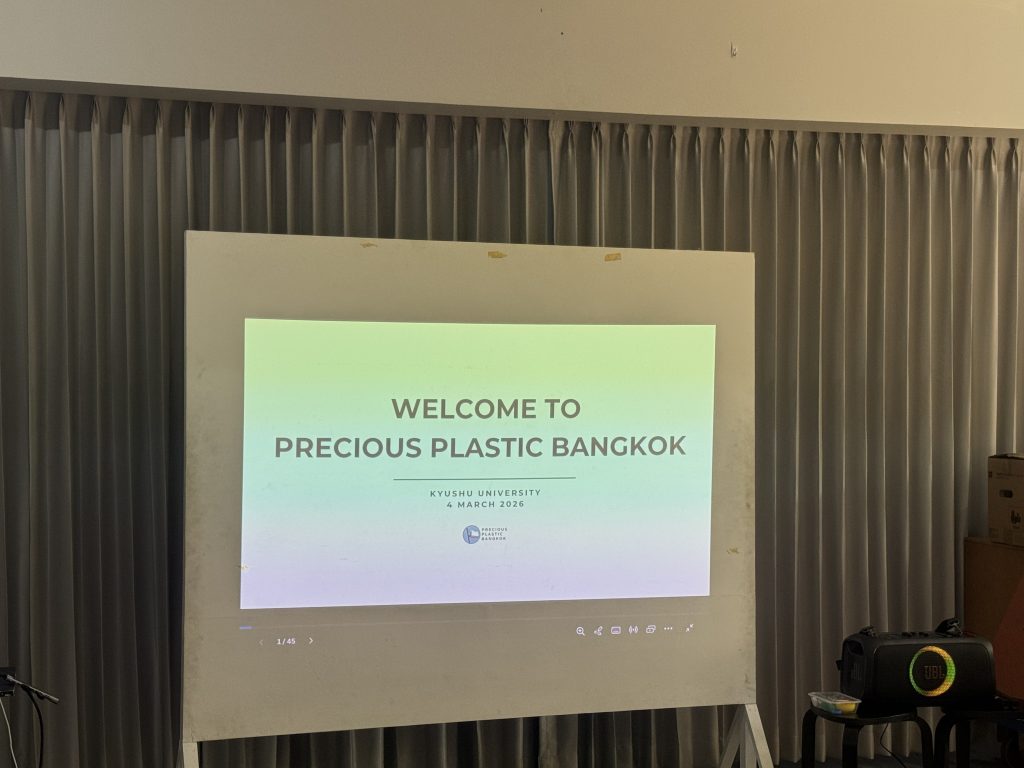
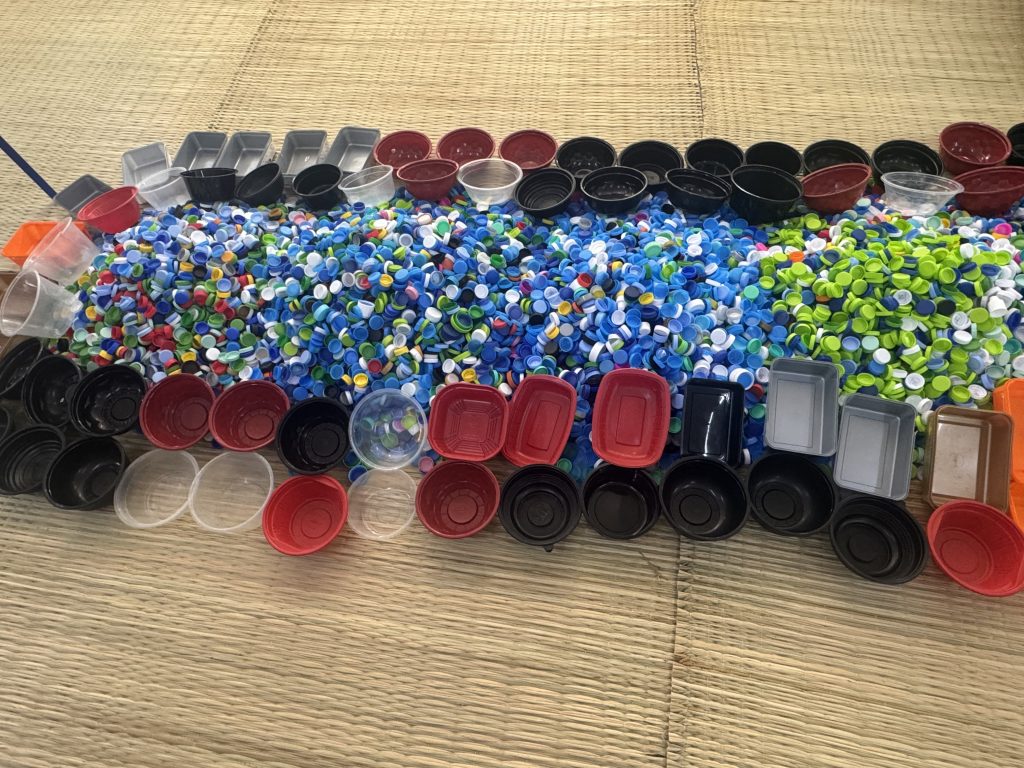
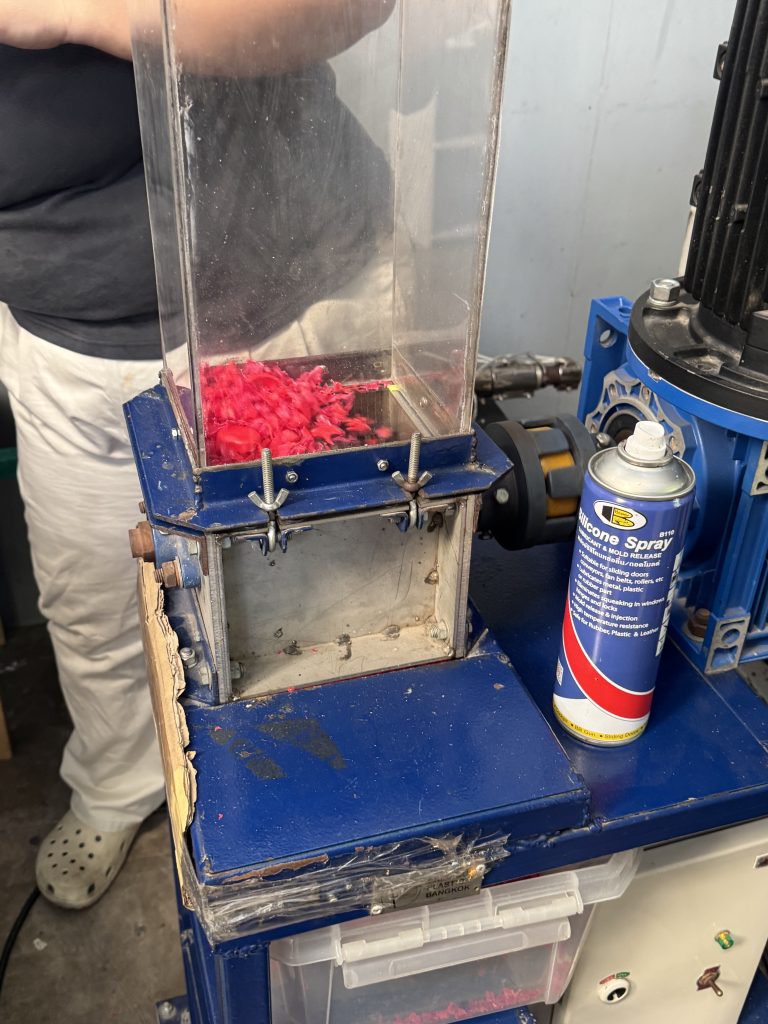
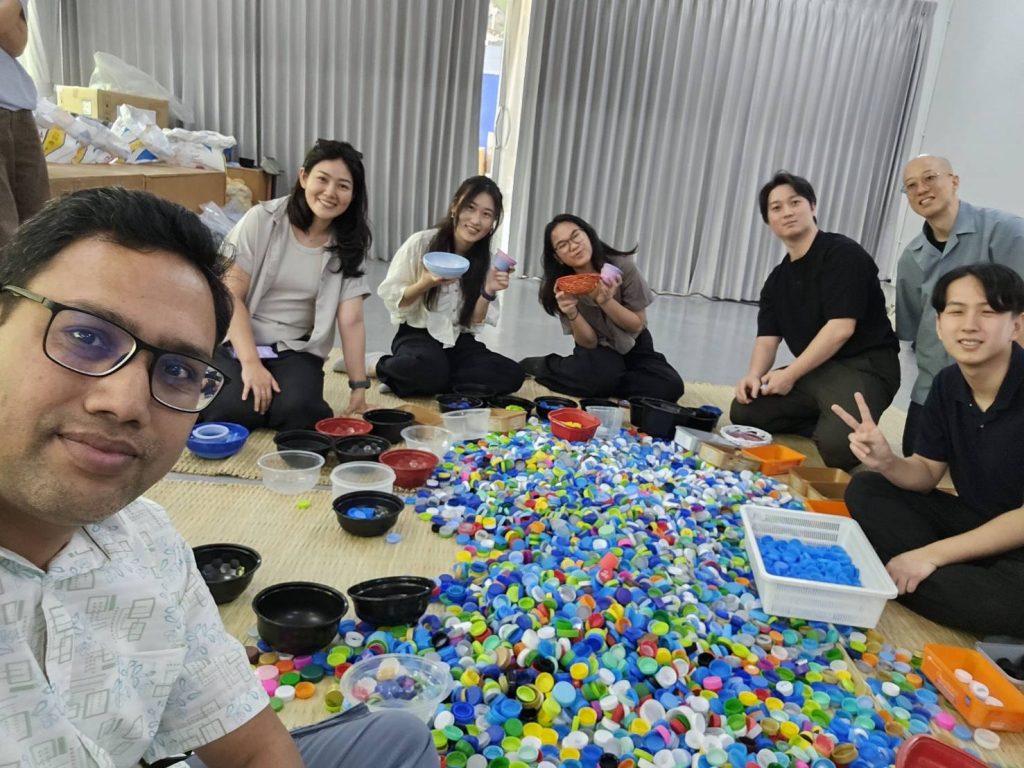
On the next day, we started by visiting Precious Plastic Bangkok, where we participated in a workshop. Precious Plastic specializes in plastic recycling activities, by providing plastic recycling bins in the city, cooperating with local communities to participate in activities, and recycling plastic waste into new items such as plant pots and keychains. After revisiting plastic litter problems through a presentation by the facilitators, we continued to sort plastic bottle caps based on the colors to prepare for recycling. The recycling utilized a shredder machine to turn the bottle caps into small chips, and a machine to melt these small plastics for the participants to shape and mold into new items. We were able to make plant pots and bowls that we could bring home. We were also given a tour of the place, where more machines were used (Zahra_photo3 and 4).
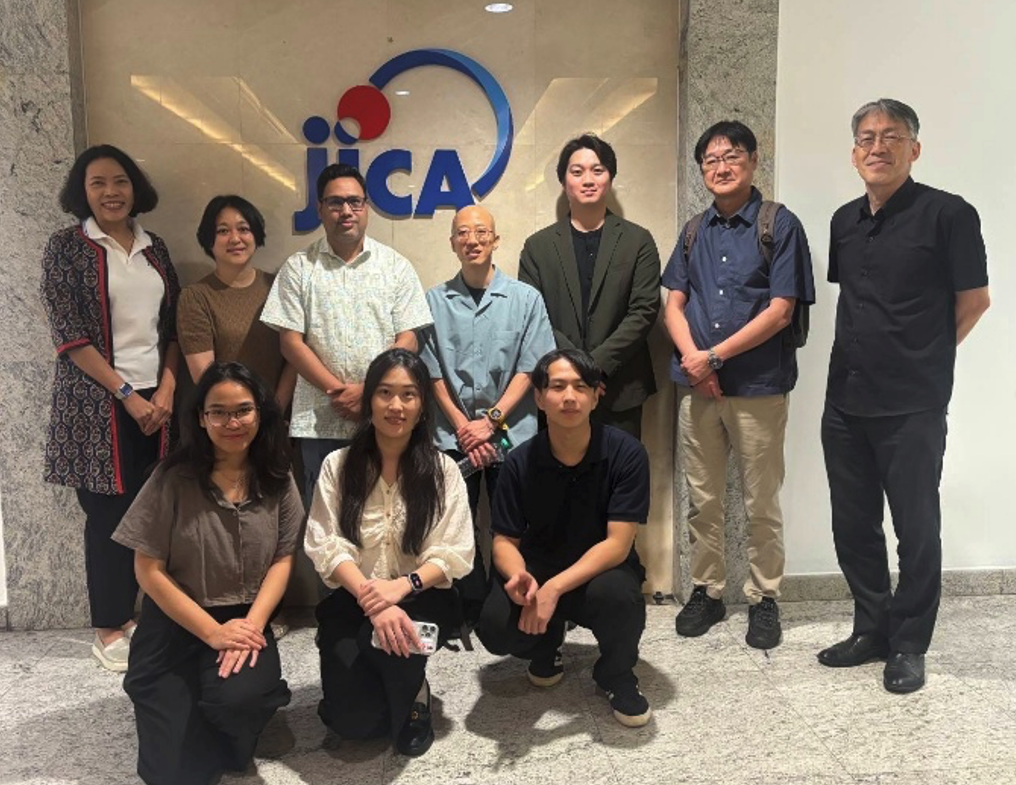
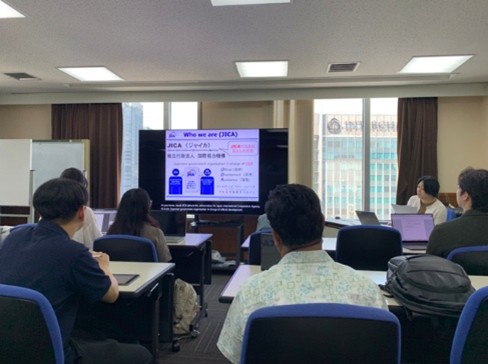
Following this, we visited the Japan International Cooperation Agency (JICA) Thailand office in the afternoon. JICA is Japan’s official development assistance (ODA) to developing countries, promoting international cooperation. Not only does JICA encourage self-help effort to enhance recipient countries’ ownership, it also acts as a donor for these activities. We were welcomed and given a lecture to further learn on JICA’s activities helped by Kanda-san and Jamaree-san.
Japan reflected on the support it received from the international community, hence also provides support to other countries as a humanitarian purpose while solving global issue. In Thailand, JICA’s environmental and climate change activities started from 1974, and the projects started on 1980. Research and training centers were built, followed with projects to promote scientific research and address global issues. It also helps make policy advice and related analyses. The projects ongoing include to solve end-of-life vehicles management, air quality management (for PM2.5 prevention and reduction measures), marine debris research (Isobe sensei’s research), policy and institutional development for climate change problems, energy conservation and disaster management and flood control. JICA Thailand works with different institutions, connects numerous ministries and research institutions in Japan and Thailand.
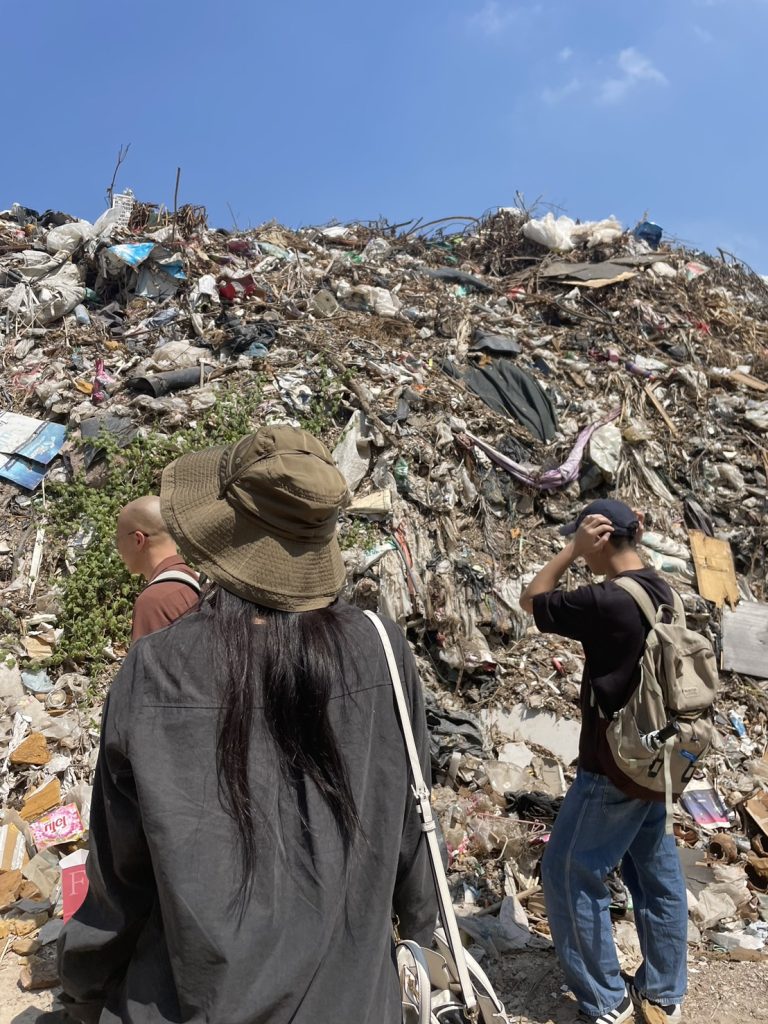
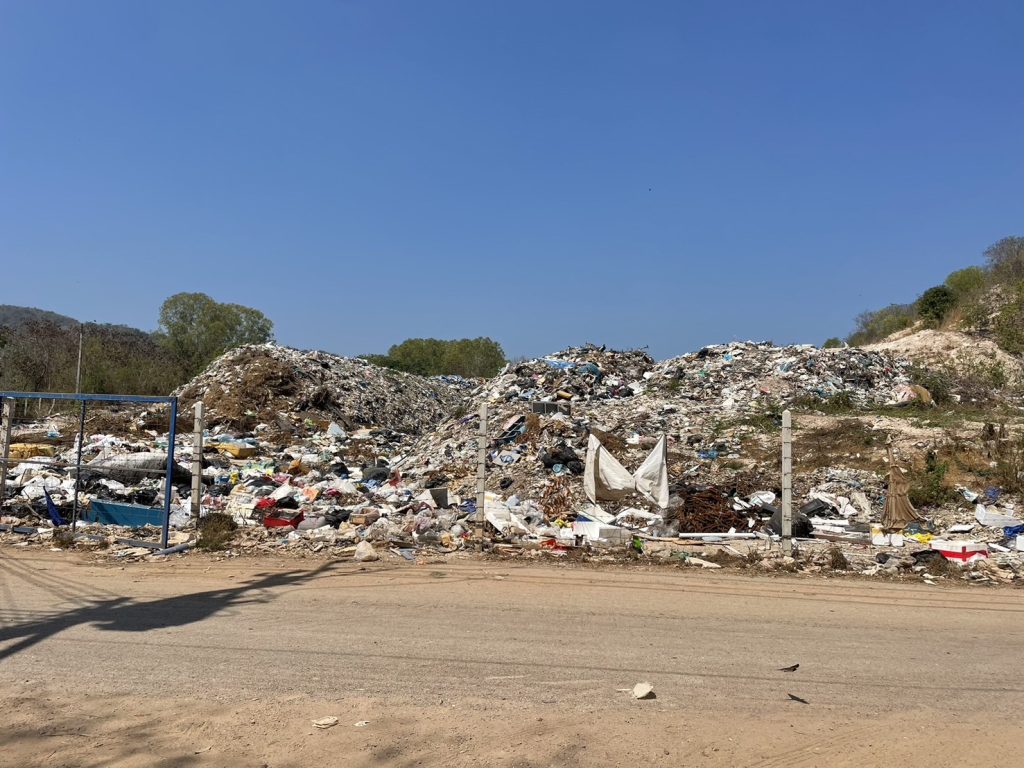
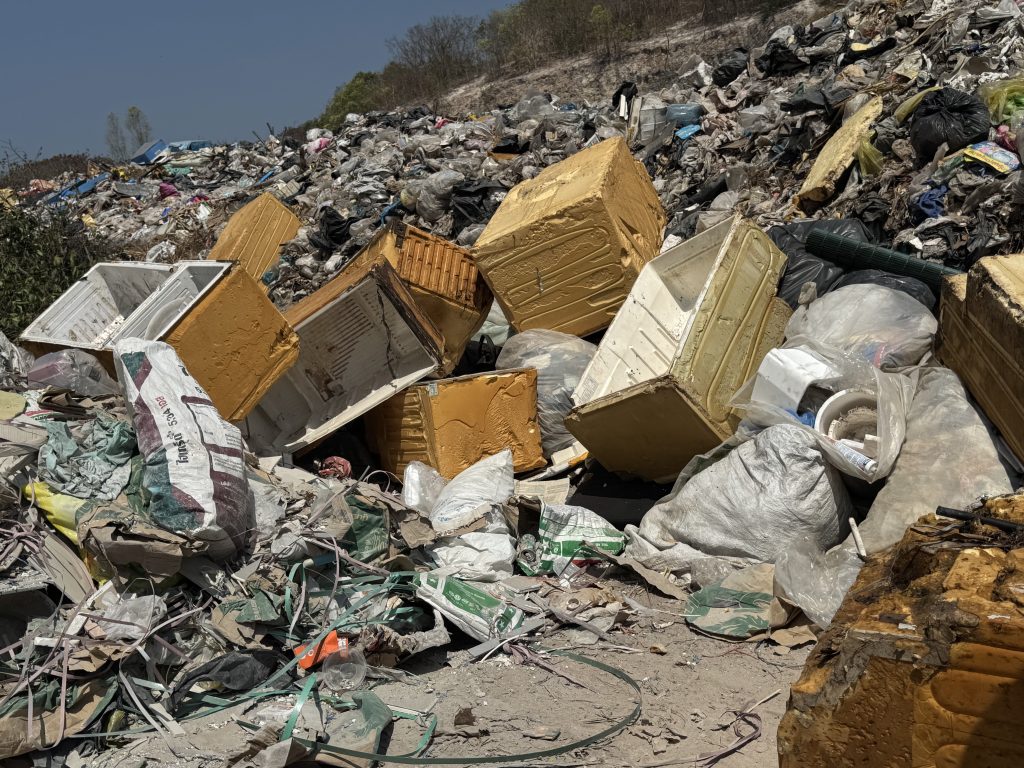
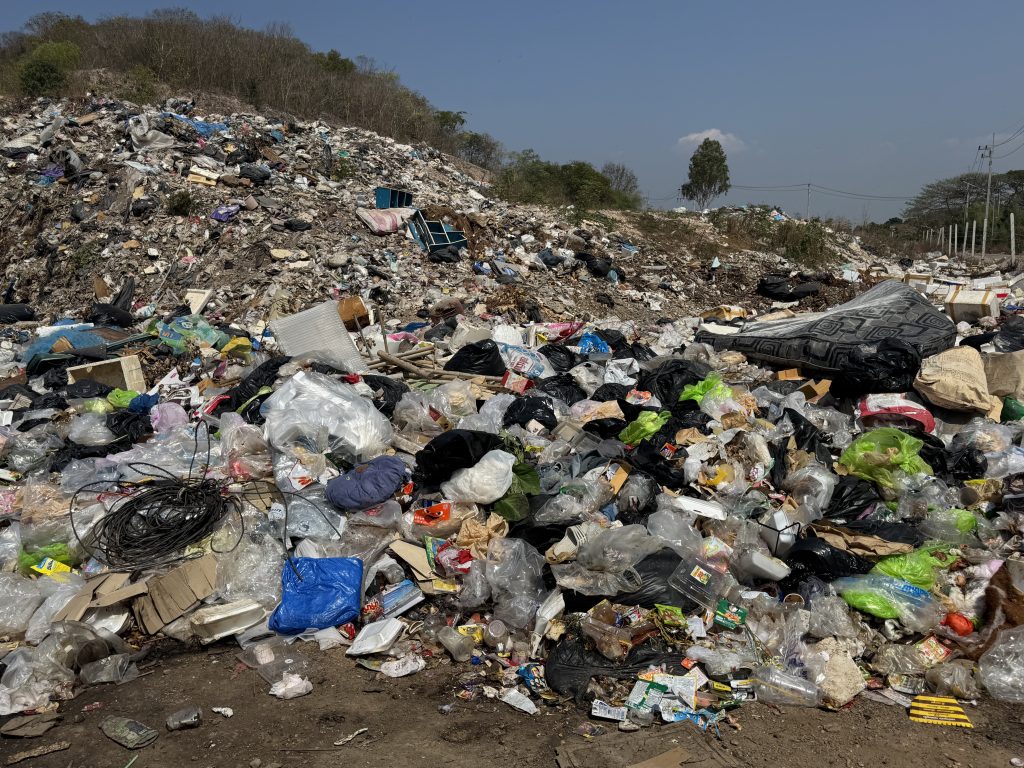
On March 5, the team visited Samae San District, firstly to the dumping site in the area. The dumping site collects mainly domestic and fisheries waste, from the surrounding neighborhood and accommodations, as it is a tourist area. From the dump, we can see various kinds of waste, from food waste and packages, household furniture, even shells and sponges. This amount adds up as time goes by, creating mountains of waste up the hill. In the area, many bugs and birds can be seen, suggesting the food chain there. For the management of waste, the district connects with a waste management company, which comes to collect litter occasionally. A problem here is sometimes illegal dumping without permission is done by surrounding locals (Zahra_photo5 and 6).
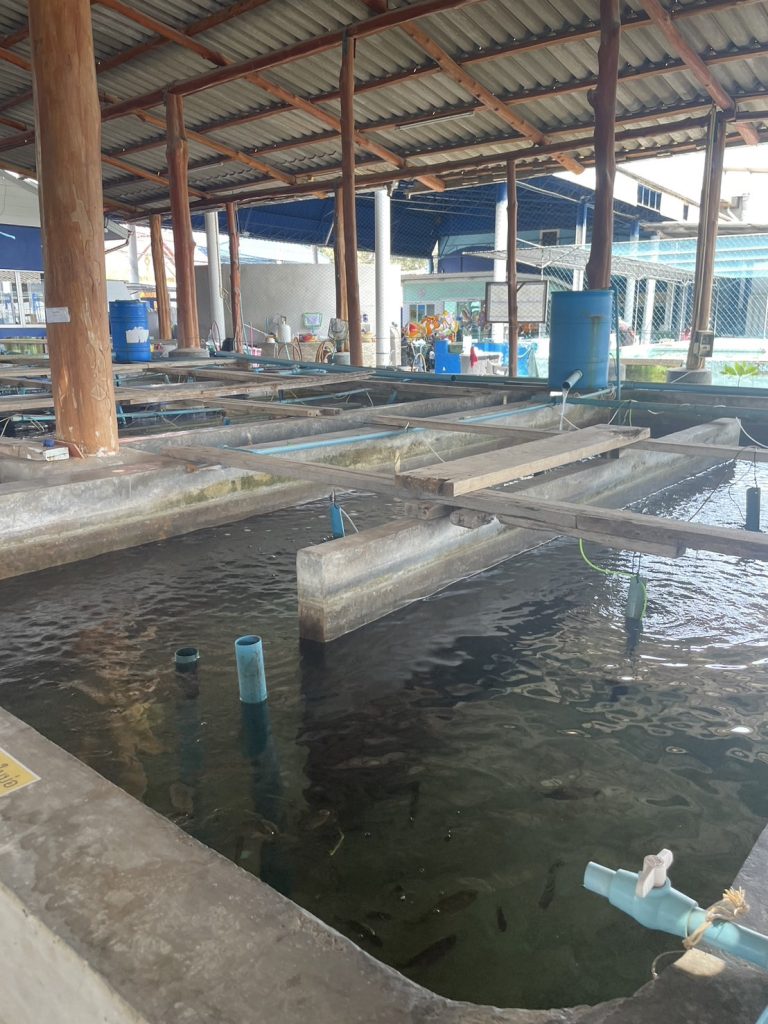
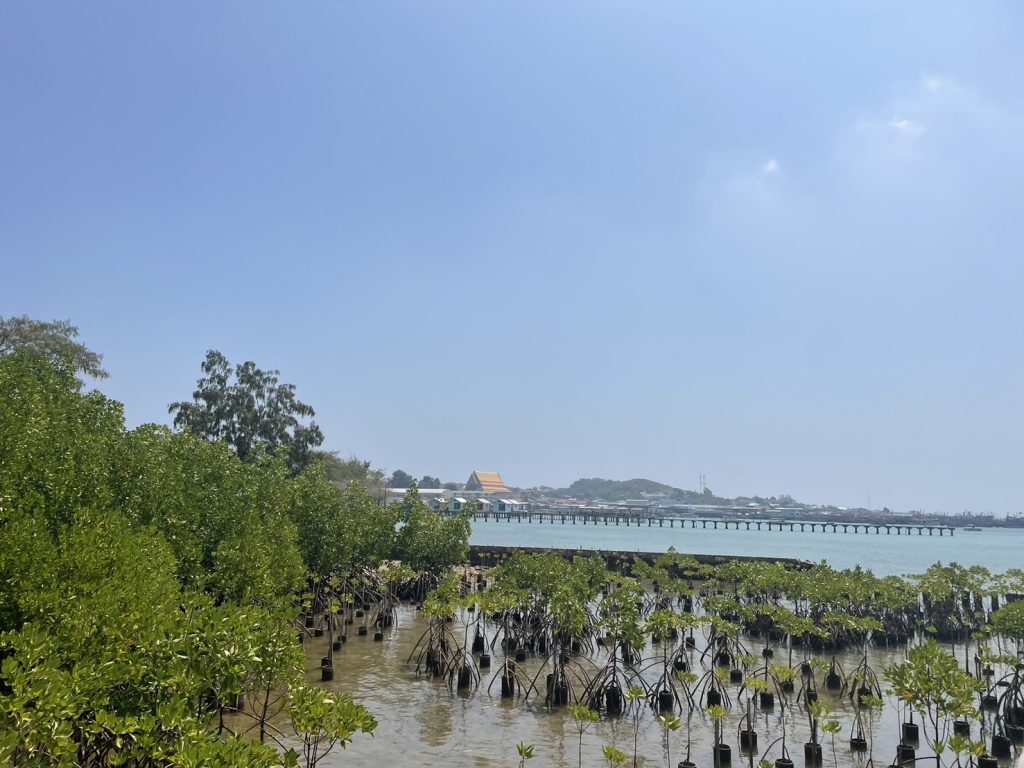
After this visit, we also visited a nearby coastline with planted mangroves, and Percula Farm, a fish breeding farm. This hatchery had a lot of marine species, including different species of clownfish with different patterns, starfish, even sharks. They were bred and grown in a manmade pool with seawater flowed directly from the neighboring sea (Zahra_photo7 and 8).
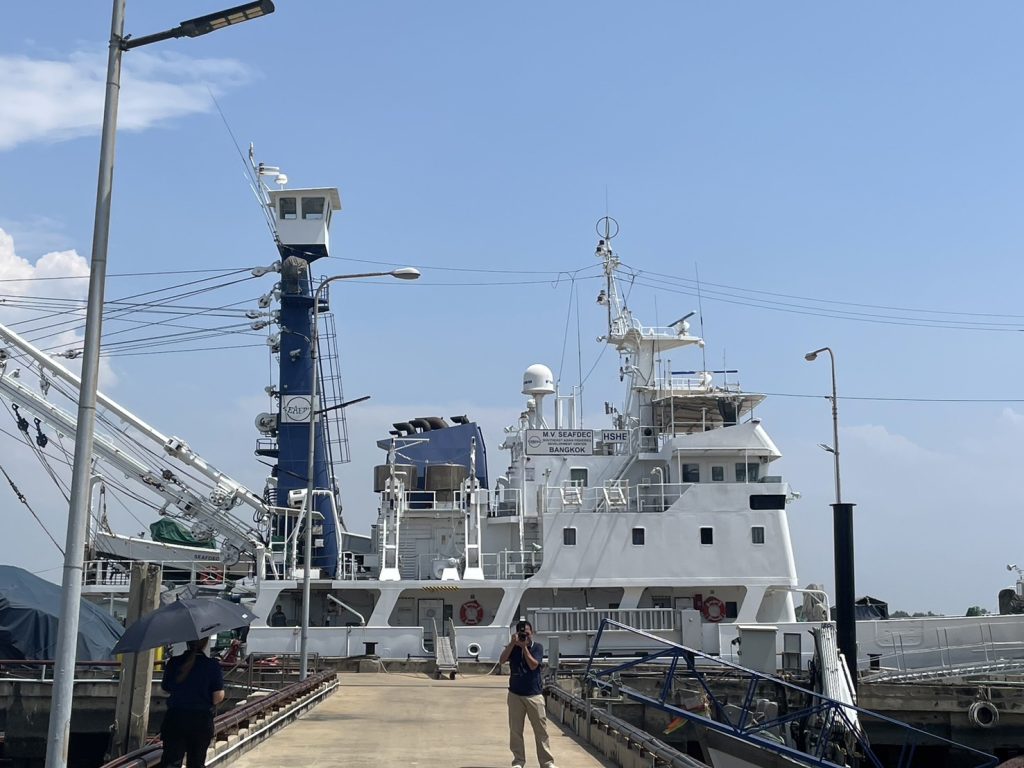
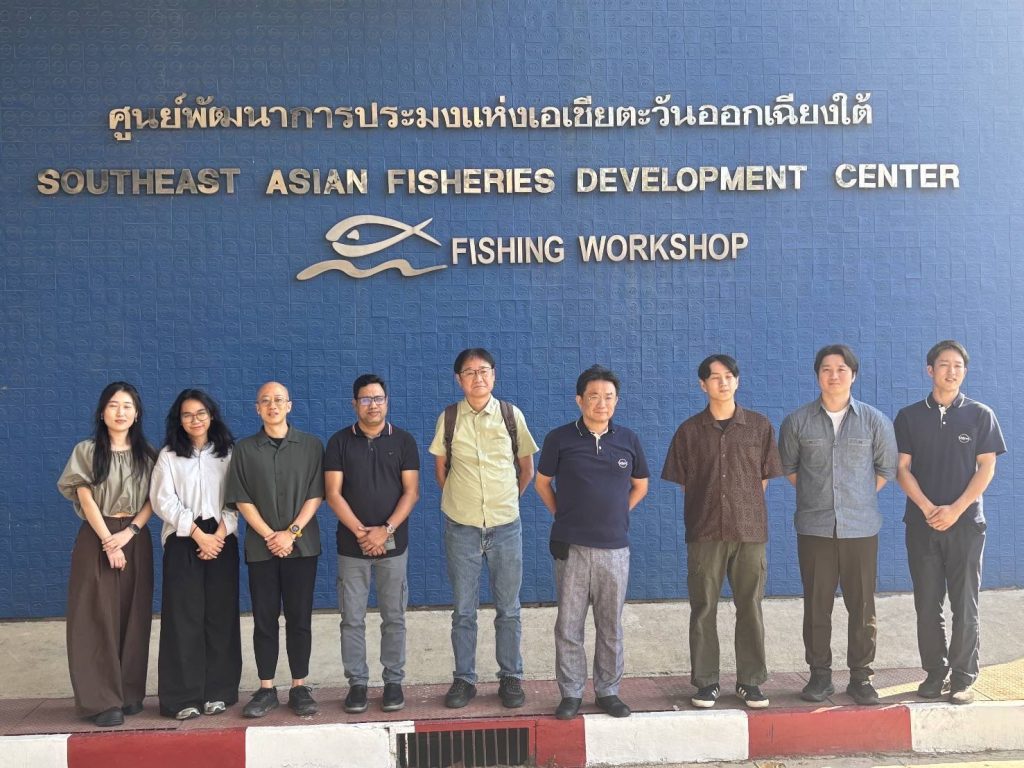
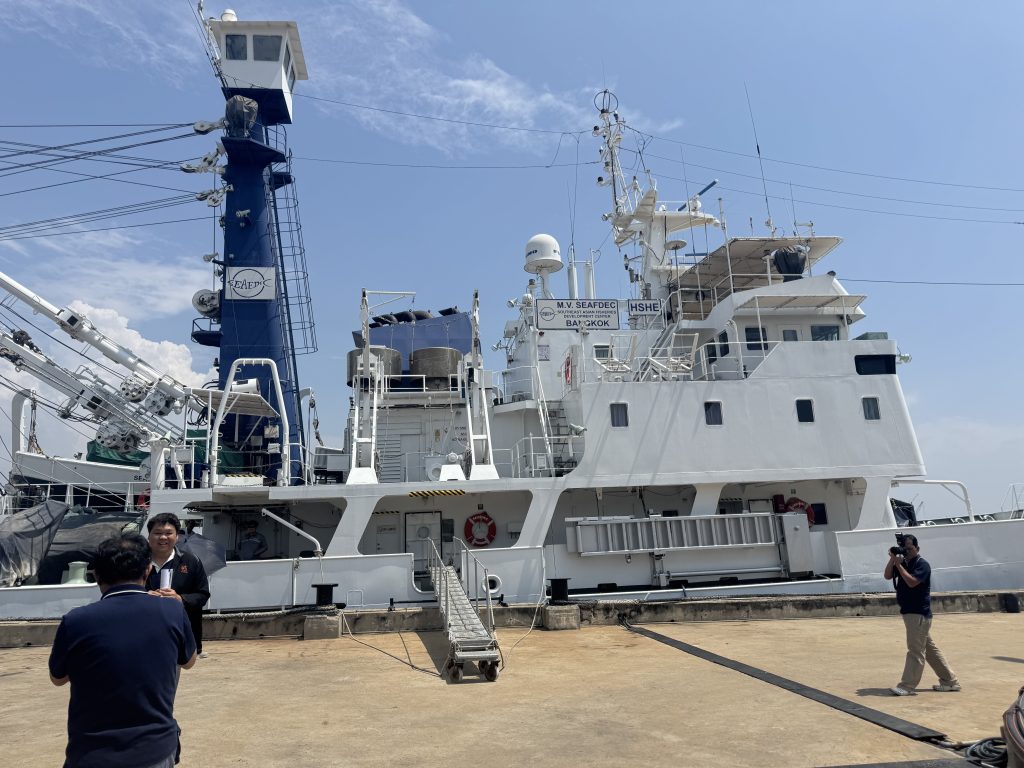
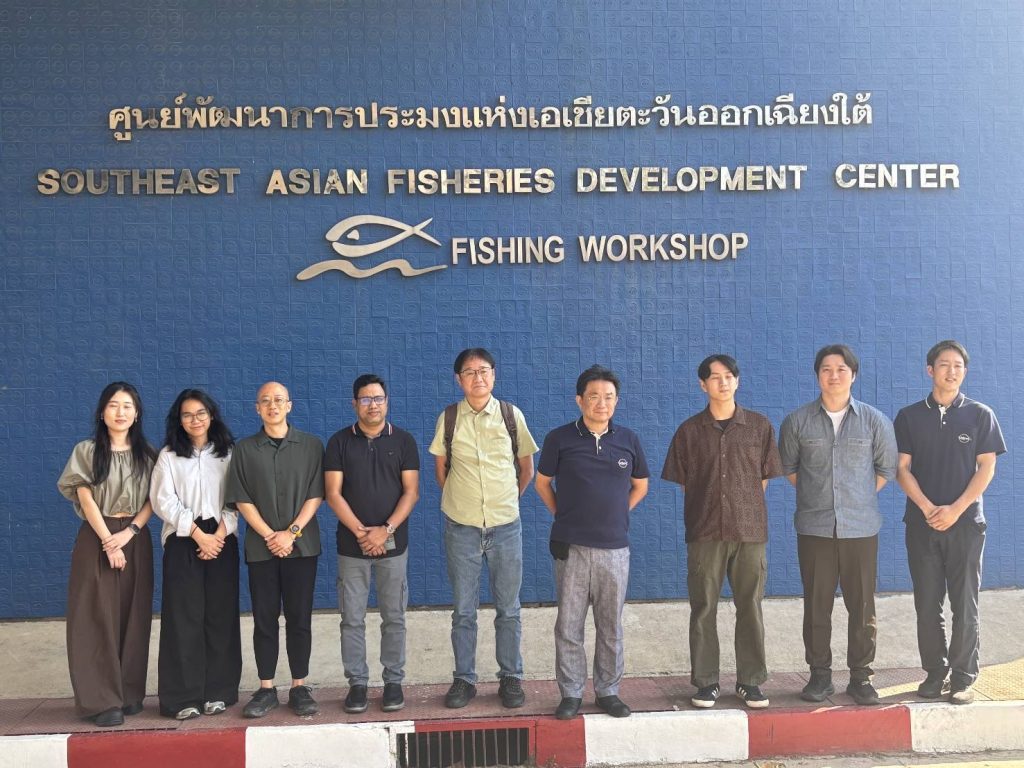
Training Department (TD) in Thailand. During this visit, we toured the research vessel M.V. SEAFDEC which is used for fisheries training, oceanography research, and various activities in Thailand or neighboring countries upon request. The vessel is facilitated with accommodation for the team, fishery storage room, compasses, GPS, as well as oceanography measurement tools. Following this, we listened to SEAFDEC’s background, visions and projects by the SEAFDEC team.
SEAFDEC/TD was established in 1970 with the purpose of developing modern fishery technologies in marine capture fisheries in Southeast Asia, envisioning a self-sustained development with global collaborative network. SEAFDEC has other departments located in other member countries, however Thailand’s TD itself focuses on programs on innovative management (creating management tools, training to increase diversity in resource management), combating illegal, unreported and unregulated (IUU) fishing (developing digital management systems and database), solutions to increase post-harvest efficiency, enhancing resources (through new tools and policy recommendations), as well as developing human resources (to ensure enhanced technology transfer in this field using trainings and related experiments). The undergoing projects are in collaboration with numerous reputable bodies like the Food and Agriculture Organization (FAO), JICA, German cooperation, and Thai government itself. SEAFDEC also has project fundings from Japan, including JAPANESE Trust Fund (JTF) 7 Projects, Japan-ASEAN Integration Fund (JAIF), and ASEAN-JICA Projects (Zahra_photo9 and 10).
Through this program, I was introduced to many organizations working on marine plastic issues, including universities, community-based initiatives, regional facilities, and international organizations. This allowed me to understand how efforts to address plastic pollution take place across the plastic life cycle, as well as how research is integrated with practical applications, which is particularly evident in the collaborations. It also emphasized the importance of continuing research in this field, as demonstrated by the participants in this program, along with the value of sharing ideas to connect knowledge and technology. Learning about the various projects also sparked my interest in topics related to my own field and their practical applications, motivating me to explore them further. Finally, observing Japan’s cooperation in different initiatives in Thailand highlighted the importance of collaboration in strengthening systems. This inspired me to contribute as a bridge between my country and Japan or other countries as well.
令和7年度 EPReC_学生・若手研究者海外派遣プログラム(タイ・バンコク)報告書
所属:農学研究院
職位/学年:博士後期課程2年
氏名:LIU ANQI
Visit to the Center for Ocean Plastic Studies (COPS), March 3
During the visit to COPS on March 3, I attended a lecture introducing the status of microplastic pollution in Thailand and past and ongoing microplastic research conducted by COPS. I also discussed with researchers the current trends and limitations in marine microplastic research. In addition, I learned about the collection, processing, and analysis methods used for water and coral samples.
I also toured the laboratory facilities, where researchers explained their experimental procedures and analytical instruments. Under their guidance, I observed samples using a microscope and was introduced to the operation of the μFT-IR instrument for microplastic identification. This visit provided valuable insights into practical methodologies and ongoing research related to microplastic pollution (Liu_photo1 and 2).
Visit to Precious Plastic and Japan International Cooperation Agency (JICA) Thailand Office, March 4
The staff introduced their projects and explained the status of plastic pollution in Thailand. They also described how environmental protection can be promoted through the recycling and reuse of plastic waste. Specifically, they explained the process of sorting plastic bottle caps by color and symbols, followed by shredding, heat-melting, and compression to produce new plastic products. With the guidance of the staff, we participated in sorting and shredding plastic bottle caps and observed the recycling procedures. We learned about the practical workflow of plastic recycling and obtained recycled plastic craft items made from bottle caps of different colors, typically produced from High-Density Polyethylene (HDPE) and Low-Density Polyethylene (LDPE) materials (Liu_photo3A, 3B, 4A, 4B).
After that, we visited the JICA Office. JICA focuses on three priority areas in Thailand: “Sustainable economic development and coping with a maturing society,” “Addressing common issues in ASEAN countries,” and “Providing support for third countries.” During the visit, JICA staff introduced their environmental protection initiatives and explained how these projects promote sustainable development. The lecture highlighted efforts to address climate change, reduce PM2.5 air pollution, and mitigate marine microplastic pollution (Liu_photo5).
Excursion to the Samae San District, March 5
During the excursion to the Samae San District, we observed the large accumulation of plastic waste in the region. It was explained that a significant amount of plastic waste is generated and deposited in this area each year, including various types of plastic materials that are difficult to properly manage and process. Through this visit, we became aware of the potential environmental risks posed by plastic waste generated from restaurants and fisheries. The accumulation of such waste may threaten the surrounding soil environment as well as nearby aquatic ecosystems (Liu_photo6A and 6B).
Visit to the Southeast Asian Fisheries Development Center (SEAFDEC), March 6
On this day, we visited the Southeast Asian Fisheries Development Center (SEAFDEC). During the visit, we observed the equipment used by staff during offshore operations, including navigation and communication systems, as well as logistical supplies. Through a lecture, we also learned about SEAFDEC’s projects and initiatives aimed at promoting fisheries development and conserving aquatic biodiversity, such as the tropical anguillid eel resource management program (Liu_photo7 and 8).
First, I would like to express my sincere gratitude to Environmental Plastics Research Complex (EPReC) for providing me with the opportunity to participate in this overseas dispatch program. This experience allowed me to broaden my academic perspective, gain new knowledge, and communicate with researchers from different institutions. Through these exchanges and site visits, I developed a deeper understanding of microplastic pollution in marine environments and the current research approaches used to investigate this issue.
During the academic exchange, discussions with researchers at COPS provided valuable insights into pretreatment methods for analyzing microplastic bioaccumulation in coral samples. These methods include sample digestion, filtration, and microplastic identification. I learned that different pretreatment techniques have their own advantages and limitations in terms of efficiency, sample preservation, and analytical accuracy. These discussions highlighted the importance of selecting appropriate methodologies to ensure reliable research results and provided useful guidance for improving the design of my future experiments.
Through field visits and discussions with researchers, I also gained a clearer understanding of the complexity of microplastic pollution and its potential impact on aquatic ecosystems. These experiences encouraged me to reflect on the limitations of laboratory-based studies and the importance of linking experimental results with real environmental conditions. This reflection will help me further improve my doctoral research design and better contribute to addressing environmental problems related to microplastic pollution.
In addition, participating in the activities of Precious Plastic helped me recognize the importance of promoting plastic recycling and reuse. Transforming discarded plastic materials into useful products can reduce the amount of plastic waste entering natural environments. The visit to the plastic waste accumulation site in the Samae San District also highlighted the challenges of solid waste management and the potential environmental risks caused by plastic waste, including the generation of microplastics and leachate. Furthermore, the visit to SEAFDEC emphasized the importance of sustainable fisheries development and the conservation of aquatic biodiversity.
Overall, this overseas dispatch program helped me further clarify my future research direction. I plan to continue focusing on the impacts of microplastic pollution on aquatic organisms and to combine laboratory experiments with field investigations to better evaluate ecological risks and contribute to marine environmental protection and sustainable development.