Report on EPReC Student and Young Researcher Overseas Dispatch Program Bangkok, Thailand
Affiliation: Faculty of Social and Cultural Studies
Position: Masters, Research StudentDepartment: Graduate School of Integrated Sciences for Global Society, Kyushu University
Laboratory: Agri-Bio Resource Laboratory.
Name: S M Mazharul Islam
1. Introduction
From March 2 to March 7, 2026, I participated in the Overseas Dispatch Program for Students and Young Researchers, organized by Kyushu University under the Environmental Plastics Research Complex (EPReC). EPReC is a Strategic International Framework (SIF) initiative that promotes international research collaboration on environmental plastic issues.The program was designed to provide practical exposure to environmental plastic challenges in Southeast Asia, particularly those related to marine plastic pollution. Through lectures, laboratory training, field visits, and discussions with international organizations, participants gained both academic knowledge and real-world perspectives on plastic waste management.
Most activities were conducted in Bangkok, Thailand, where Kyushu University’s research hub for marine plastic studies, the Center for Ocean Plastic Studies (COPS), is located. A total of six early-career researchers and students from Kyushu University participated in the program. The program aimed to deepen participants’ understanding of environmental plastic issues by combining scientific learning with field observation.
2. March 2, 2026 – Departure and Program Briefing
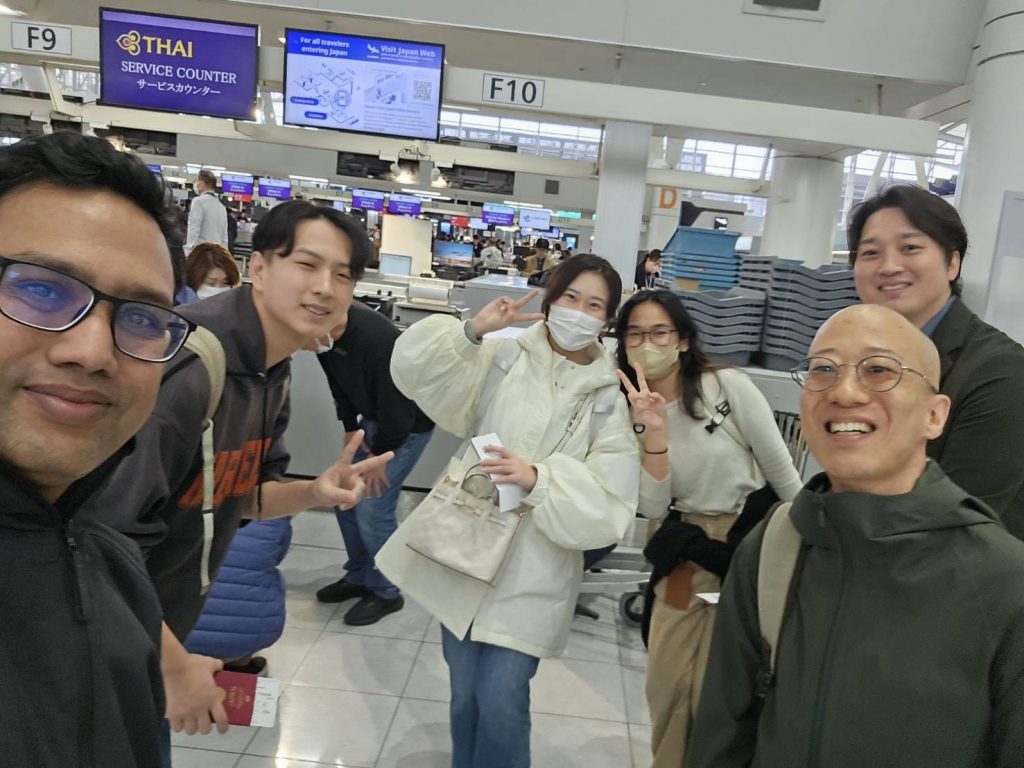
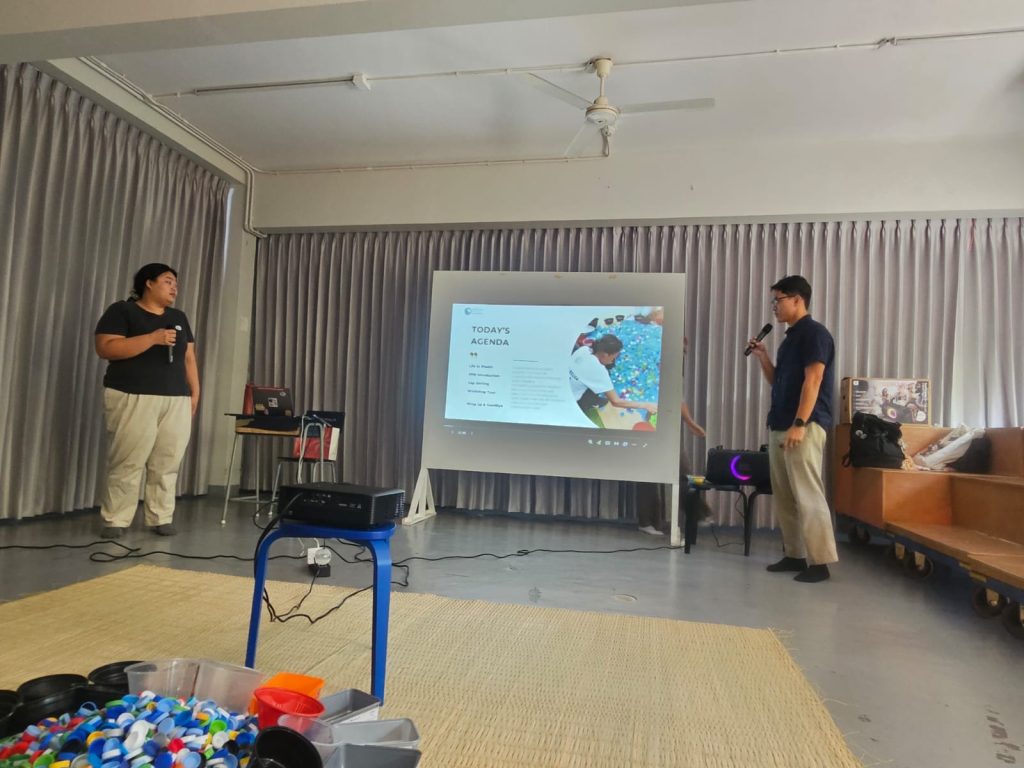
The program began on March 2, 2026, when participants traveled from Japan to Bangkok, Thailand. After arriving in Bangkok and checking into the hotel, a briefing session was conducted by faculty members from the Kyushu University Center for Ocean Plastic Studies (COPS) (Islam_photo1).
During this session, the faculty members introduced the objectives of the Overseas Dispatch Program and explained the importance of international collaboration in addressing marine plastic pollution. The briefing also outlined the upcoming schedule of lectures, laboratory training, field visits, and institutional meetings that would take place over the following days.This orientation helped participants understand the purpose of the program and provided background information on the environmental plastic research initiatives conducted by Kyushu University and its international partners.
3. March 3, 2026 – COPS Lecture and Laboratory Workshop
On March 3, 2026, the first full day of the program began with academic activities organized by the Center for Ocean Plastic Studies (COPS).
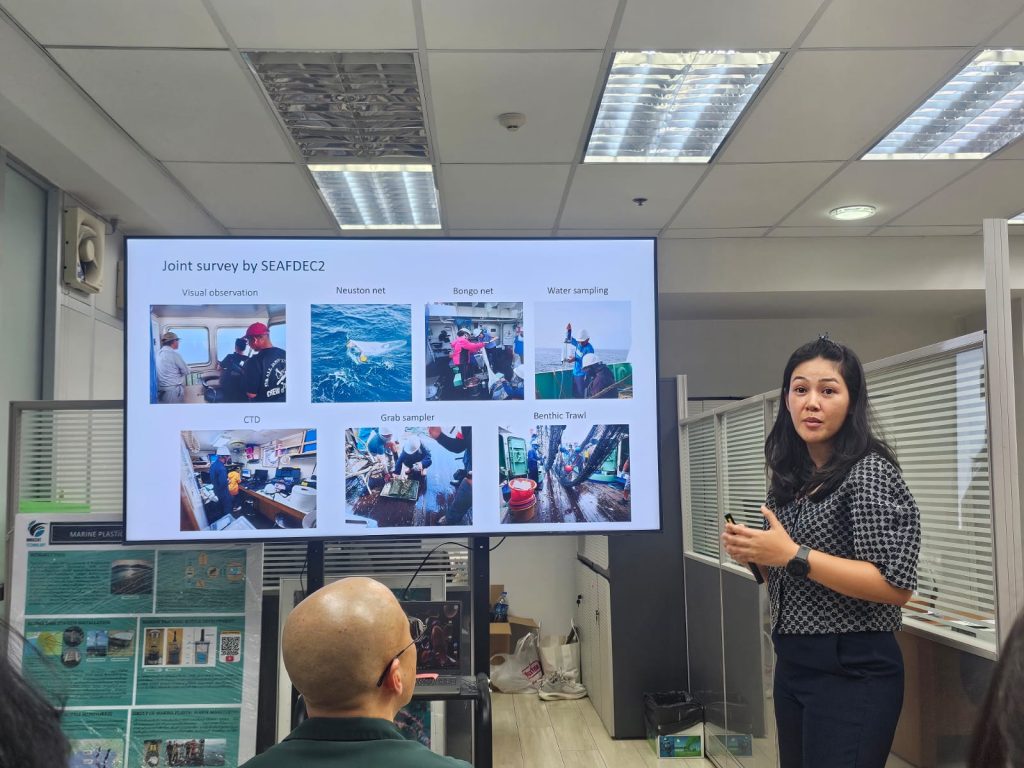
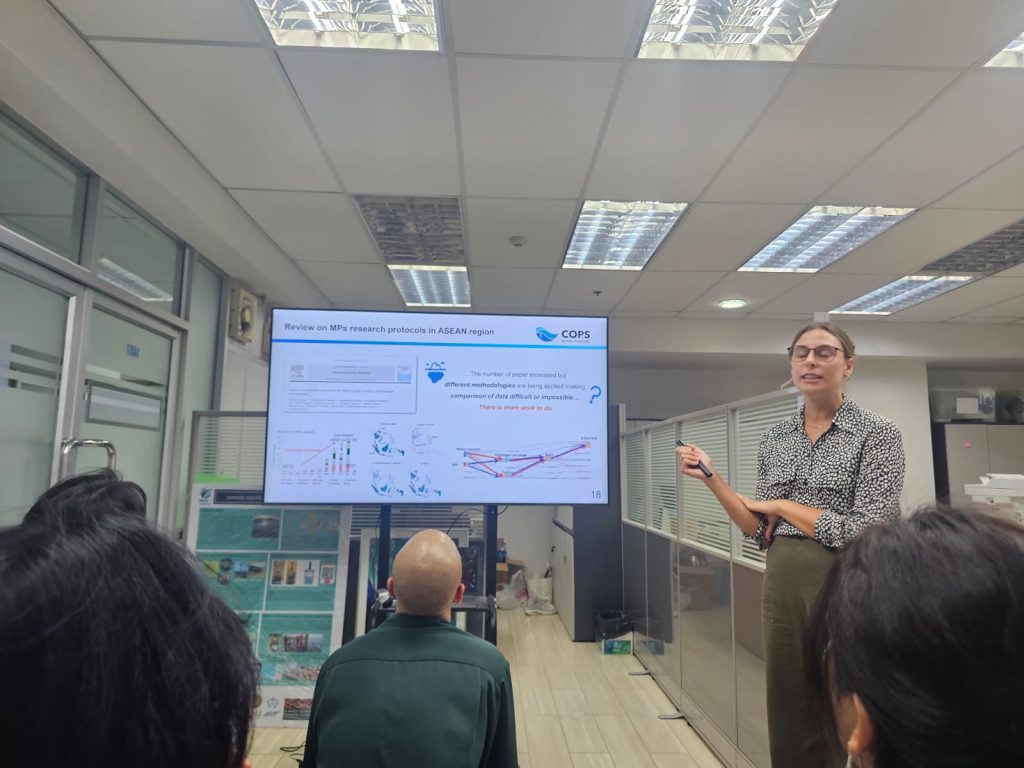
In the morning session, participants attended lectures on microplastics research and sample analysis methods. Researchers explained the major sources of microplastics, their environmental pathways, and their impacts on marine ecosystems. The lecture also introduced analytical methods used to identify and quantify microplastic particles in environmental samples.
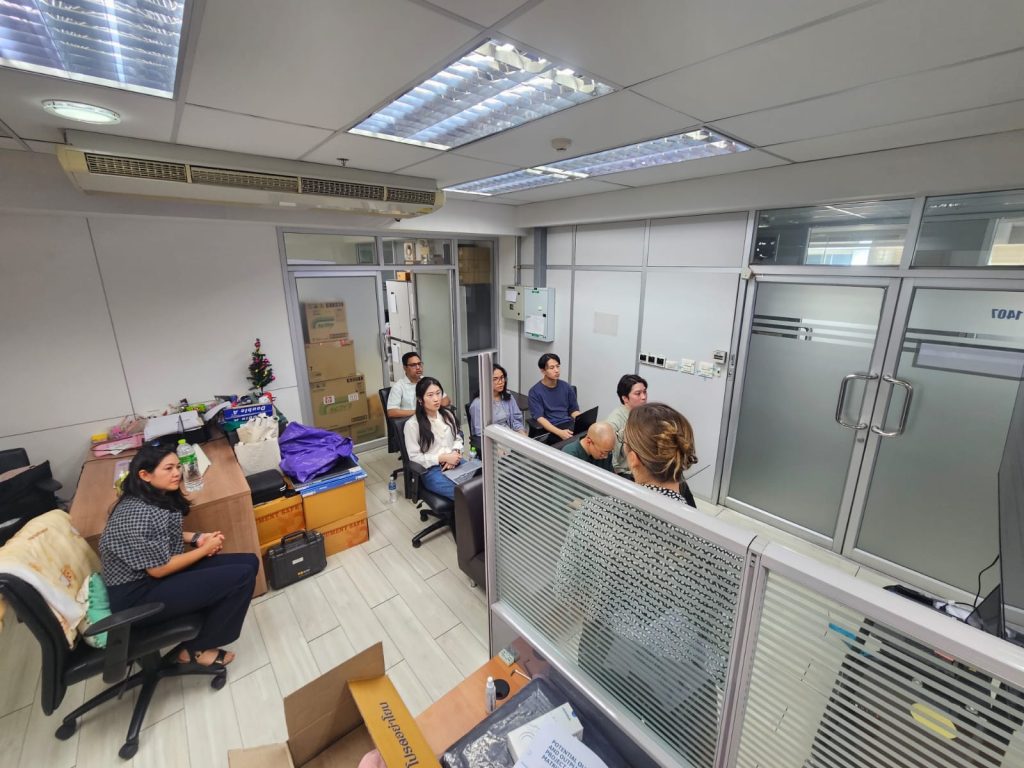
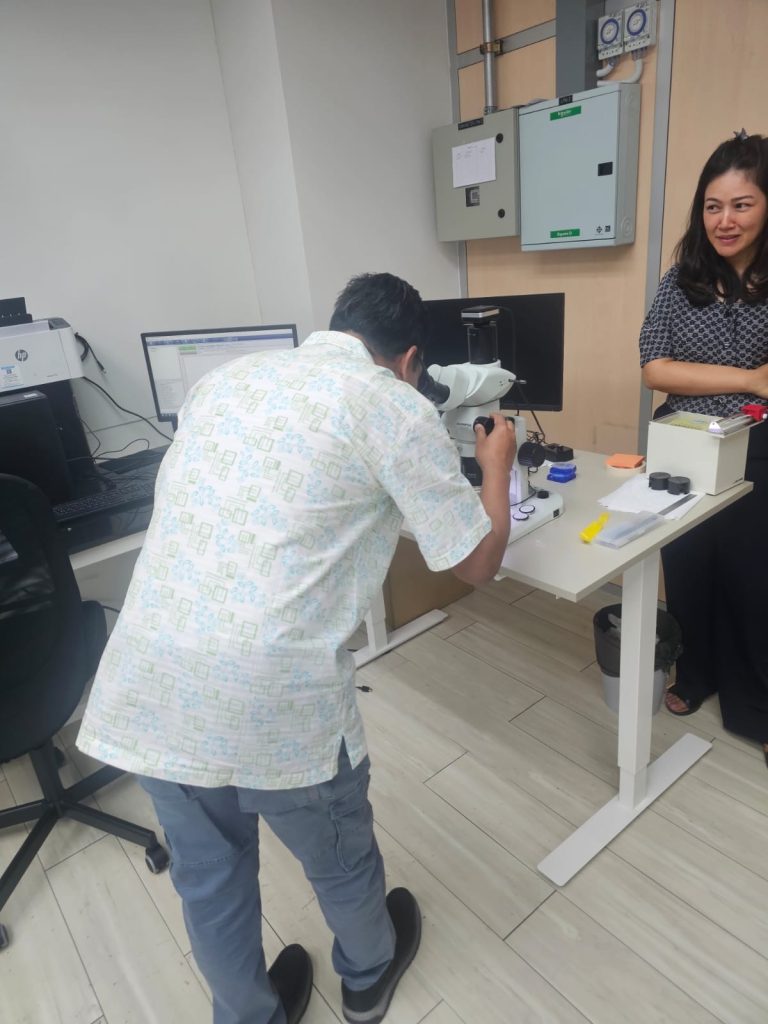
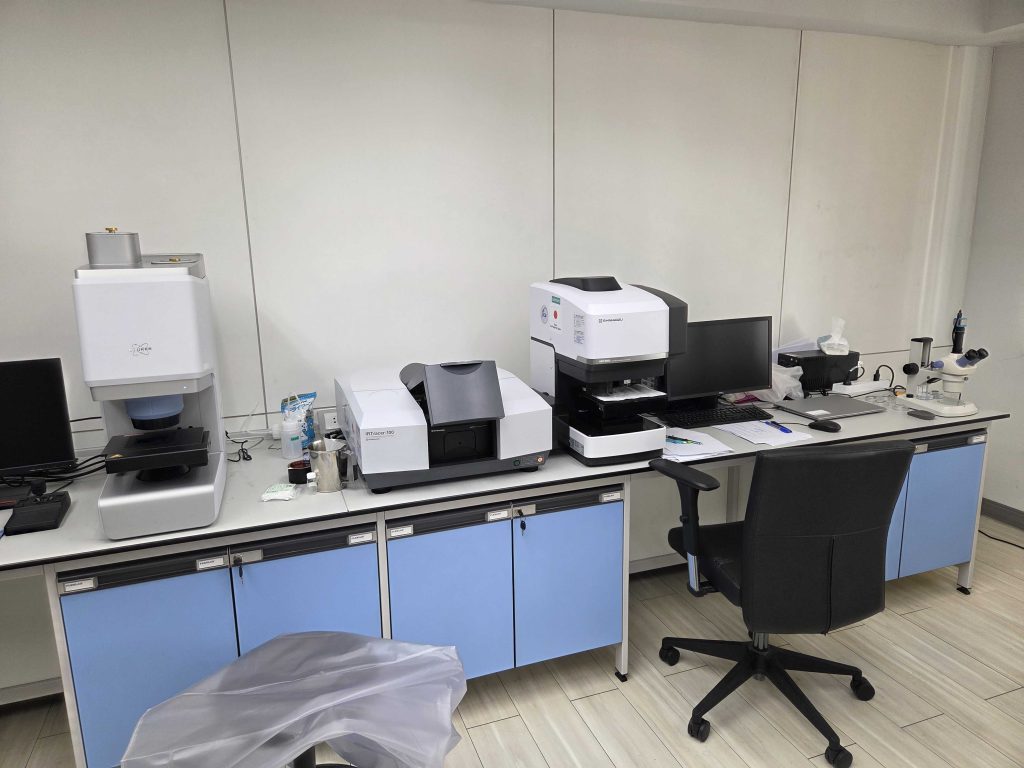
In the afternoon, a laboratory workshop was conducted where participants observed the practical steps involved in microplastic sample analysis. This included sample processing techniques and microscopic observation of plastic particles. The hands-on demonstration allowed participants to understand how laboratory analysis supports scientific research on marine plastic pollution.These activities provided a strong scientific foundation for understanding how researchers detect and analyze plastic contamination in marine environments (Islam_photo2A, 2B, 3A, 3B).
4. March 4, 2026 – Recycling Initiative Visit and JICA Thailand Office
On March 4, 2026, the program included visits to organizations involved in plastic waste management and international cooperation.
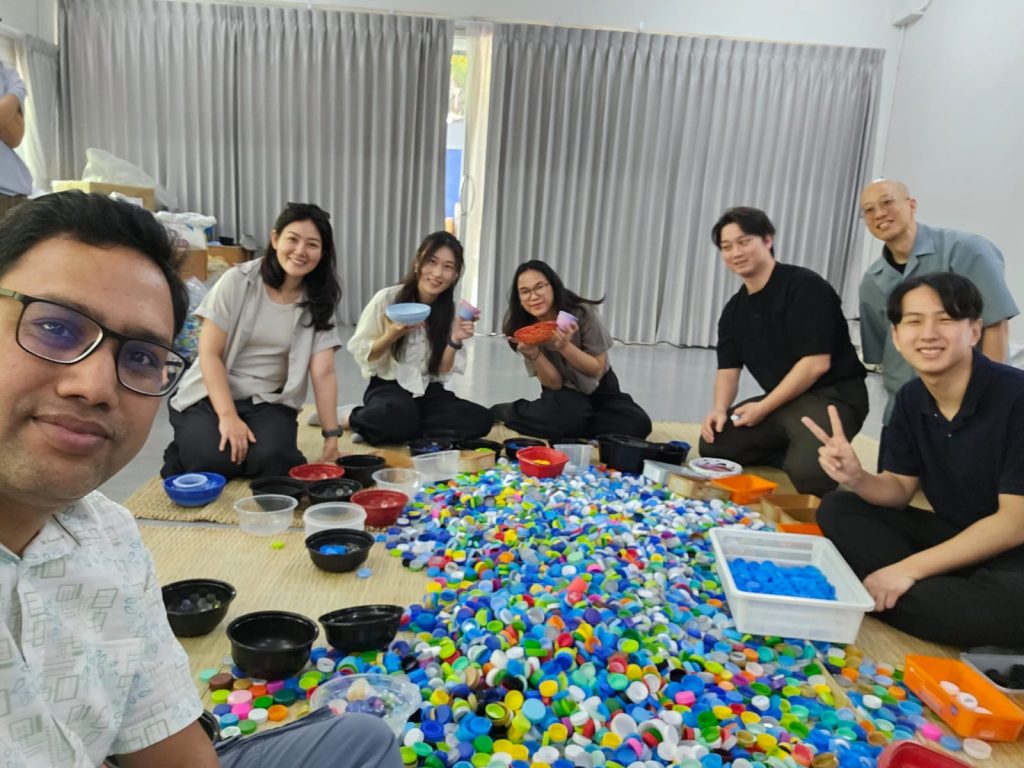
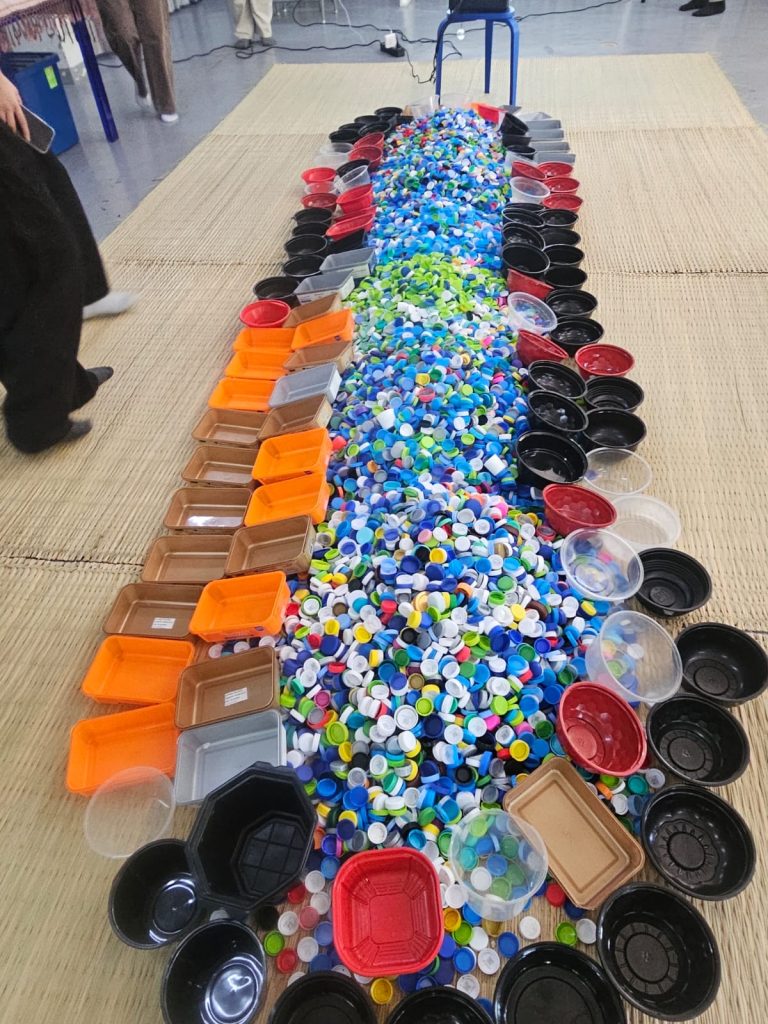
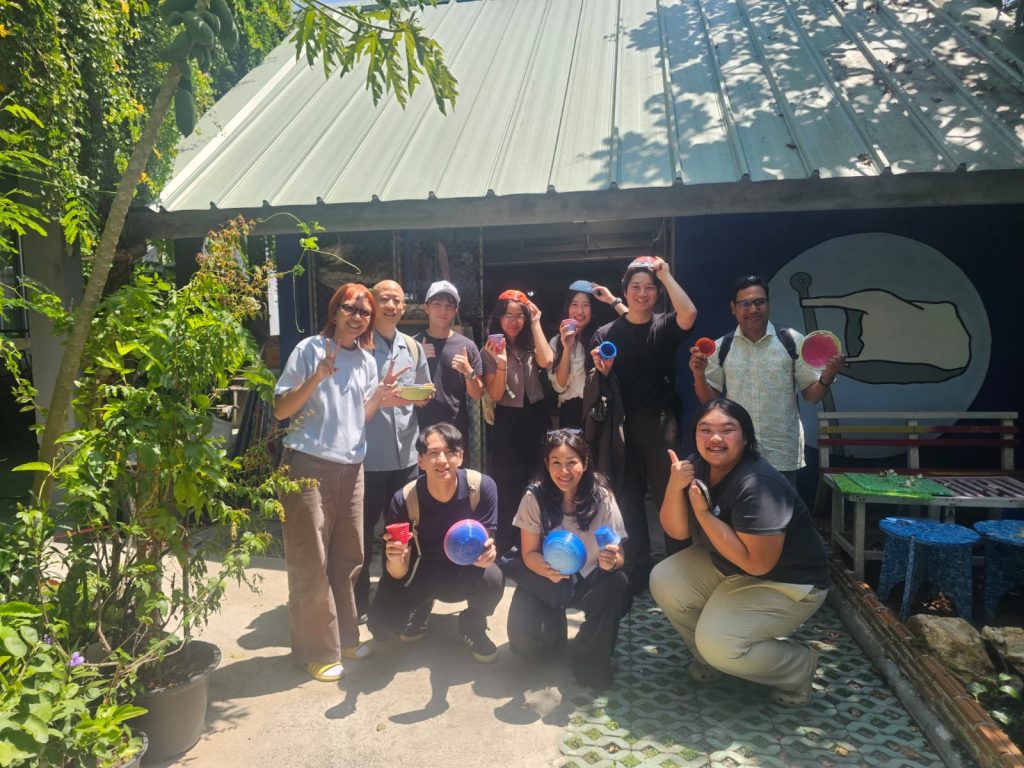
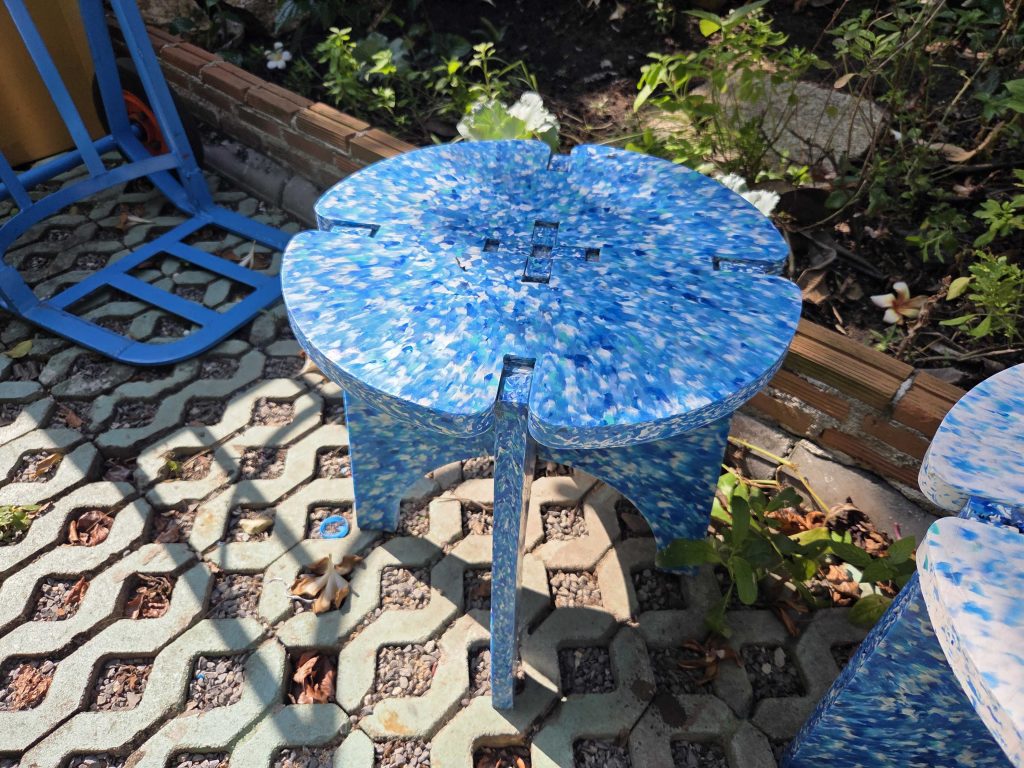
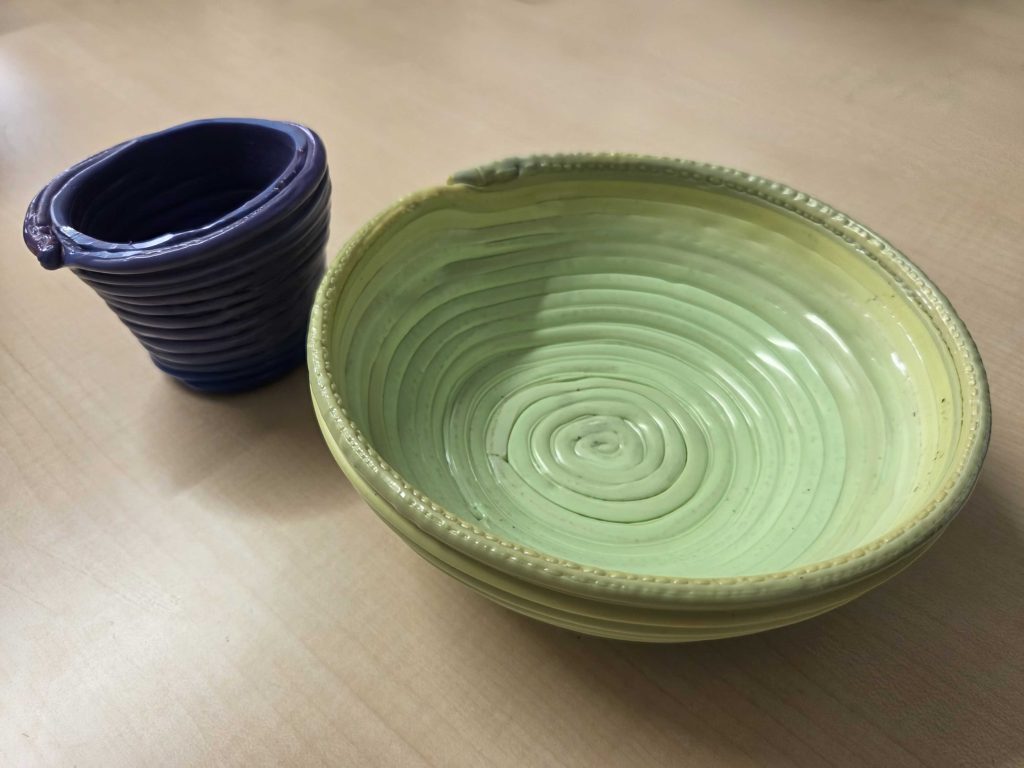
During the morning session, participants visited a recycling facility named as precious plastic company near Bangkok that focuses on the reuse and processing of plastic waste. The visit allowed participants to observe how plastic materials are sorted, processed, and transformed into reusable products. The facility demonstrated practical approaches for reducing plastic waste through recycling and community-based initiatives (Islam_photo4A, 4B. 5A, 5B).
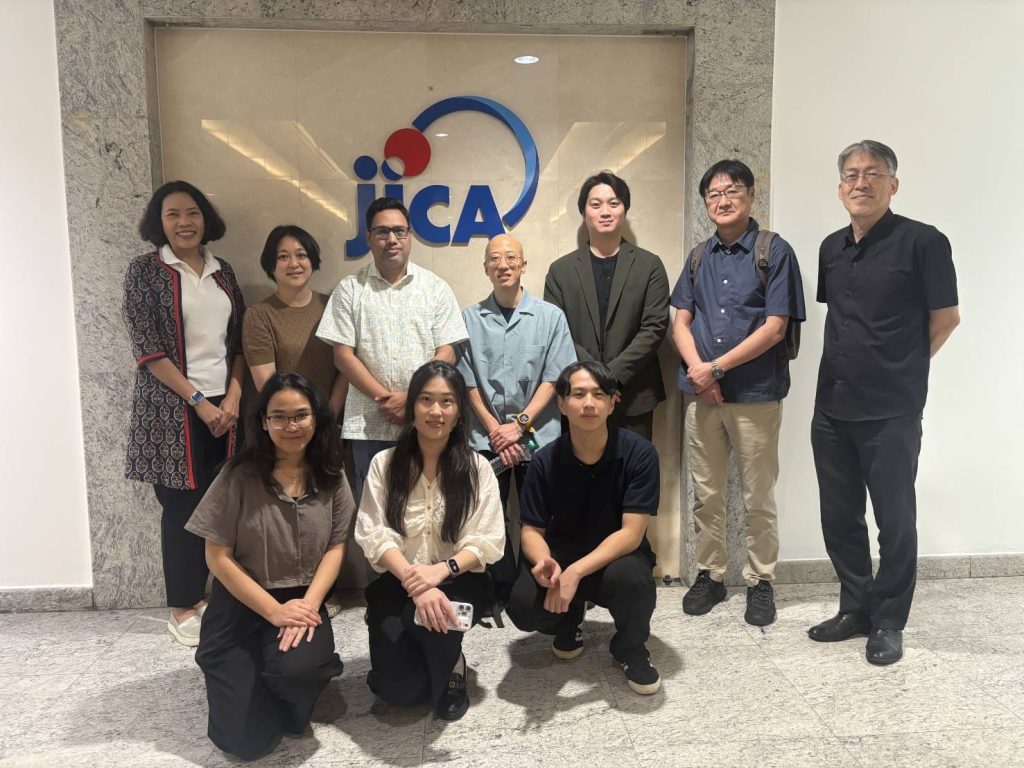
In the afternoon, the group visited the JICA Thailand Office, where a lecture was delivered on Japan’s international development cooperation programs related to environmental management. The presentation highlighted JICA’s efforts to support sustainable waste management, environmental protection, and capacity building in Southeast Asian countries (Islam_photo6).
This day emphasized how both local recycling initiatives and international cooperation programs contribute to addressing plastic waste problems.
5. March 5, 2026 – SEAFDEC Visit and Samae San Field Observation
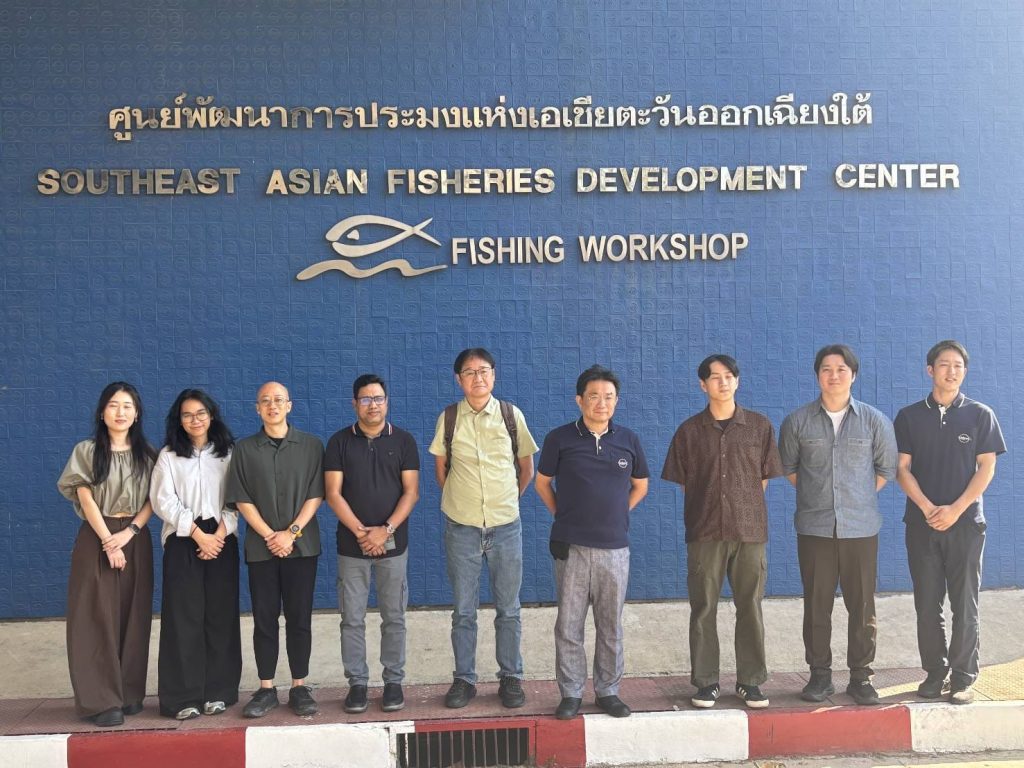
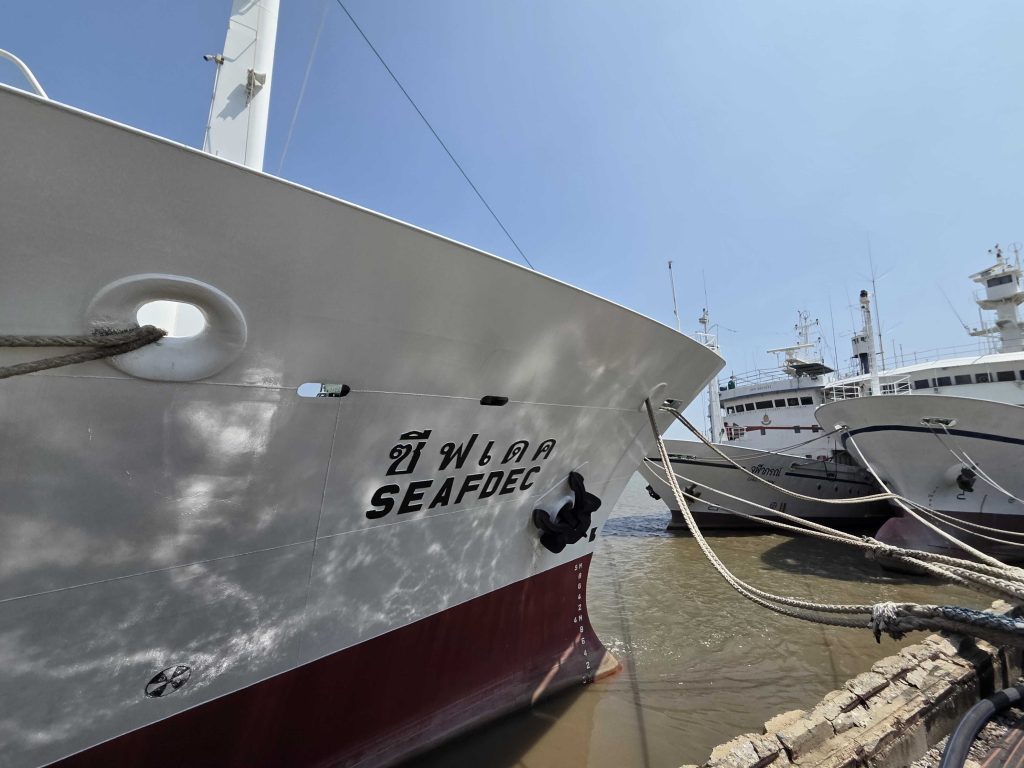
On March 5, 2026, participants visited the Southeast Asian Fisheries Development Center (SEAFDEC) in the morning. SEAFDEC is an international organization established in 1967 to promote the sustainable utilization of fisheries and aquatic resources in Southeast Asia.
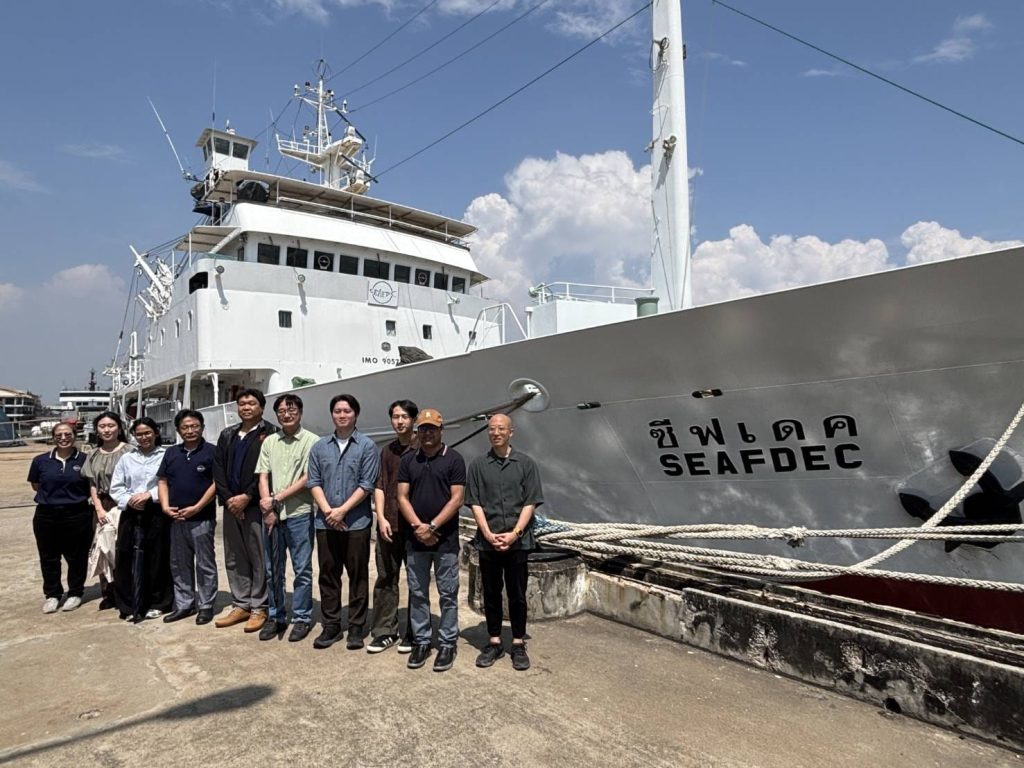
During the visit, participants attended lectures and facility tours that introduced SEAFDEC’s research activities (Islam_photo7 and 8).
In the fisheries management, marine ecosystem conservation, and regional cooperation among ASEAN countries. The session highlighted how marine environmental protection and sustainable fisheries management are closely interconnected.
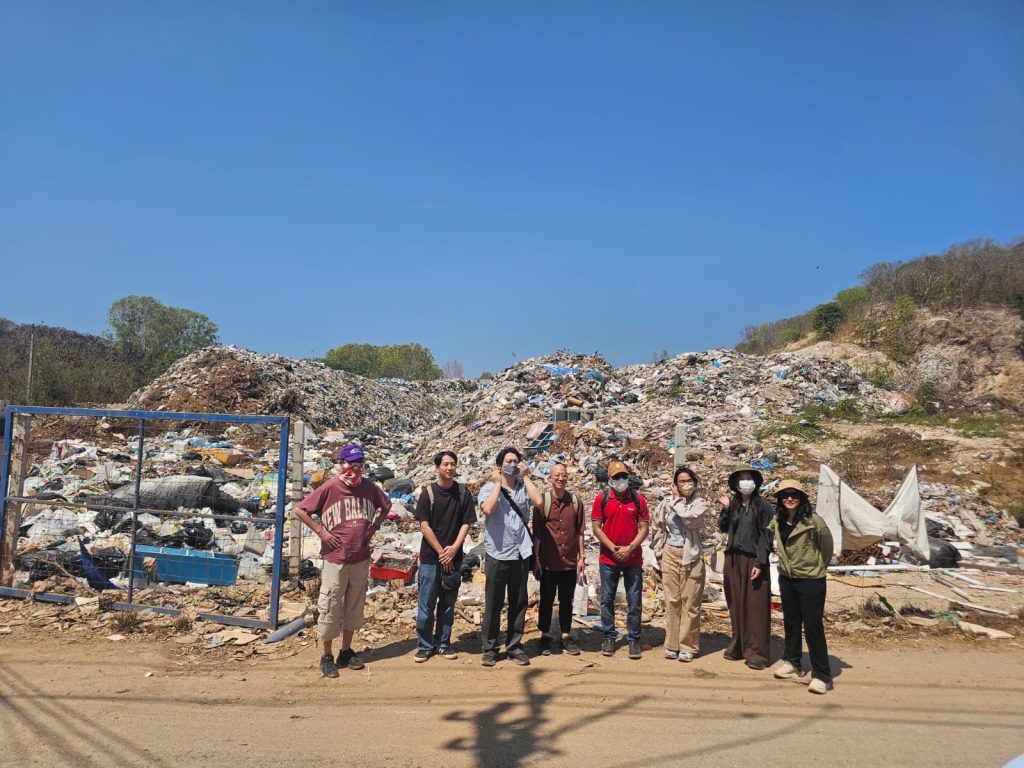
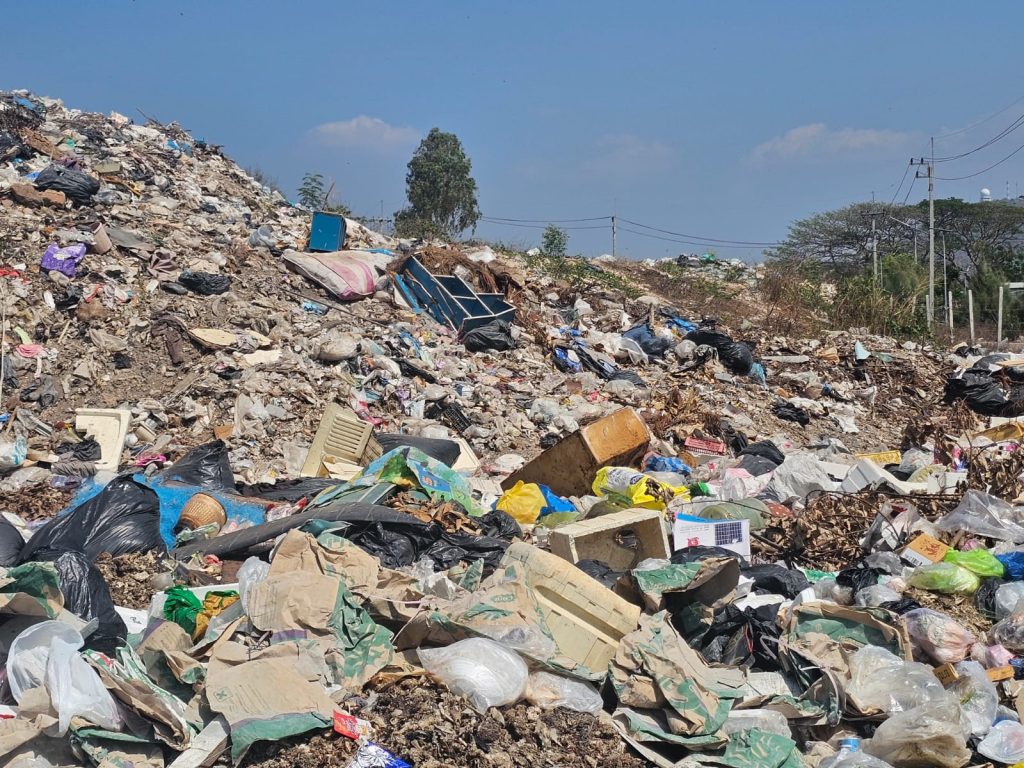
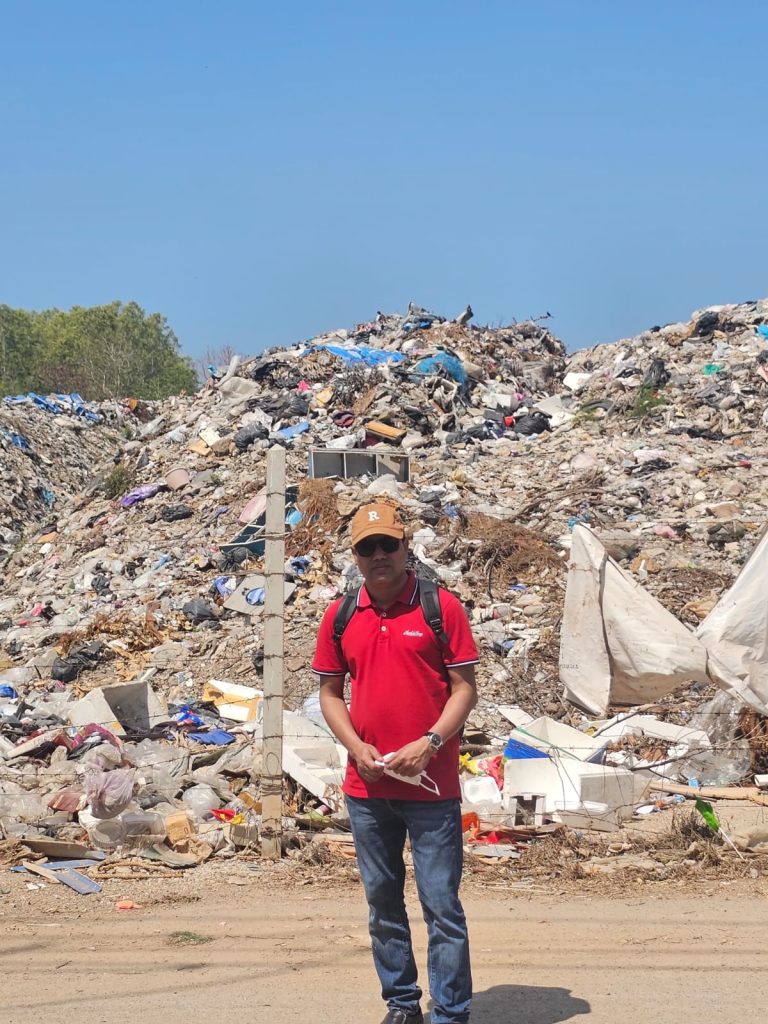
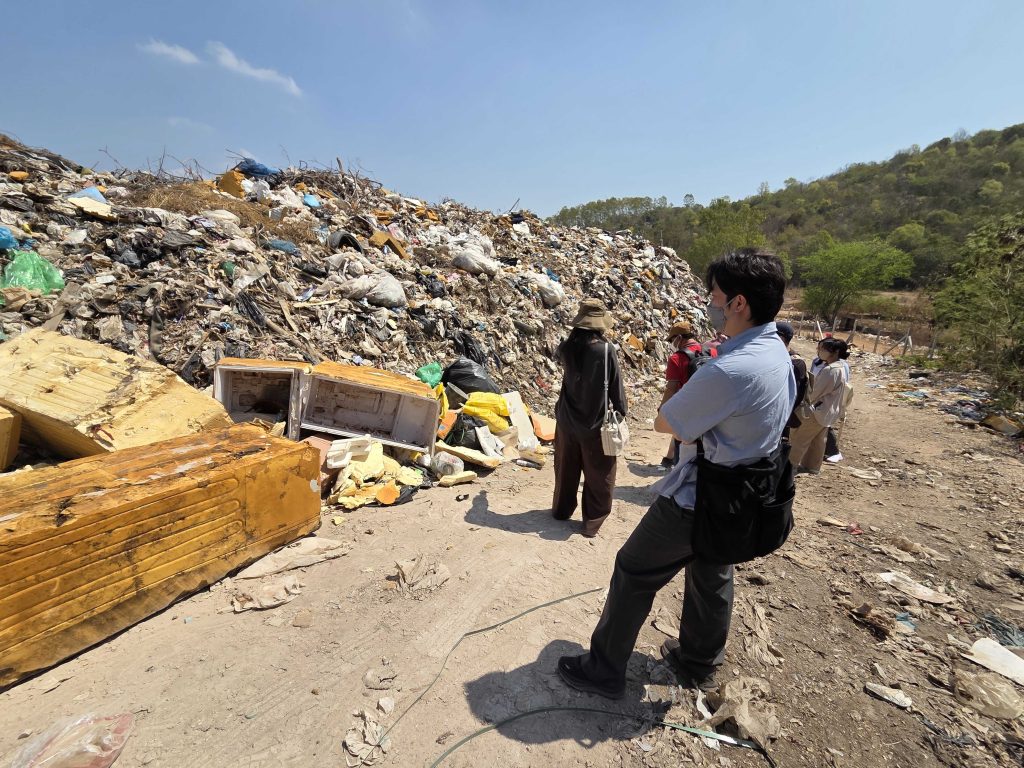
In the afternoon, participants traveled to the Samae San area, where plastic waste is accumulated in open dumping locations. The field visit provided an opportunity to observe the scale and environmental impact of unmanaged plastic waste in coastal environments. By directly examining the types and sources of plastic debris found in the area, participants gained a deeper understanding of the challenges faced by coastal communities in managing plastic pollution (Islam_photo9, 10A, 10B).
6. March 7, 2026 – Return to Japan
The program concluded on March 7, 2026, when participants traveled from Bangkok back to Japan in the morning. The Overseas Dispatch Program provided an intensive and highly informative experience for students and early-career researchers working on environmental plastic issues. Through lectures, laboratory activities, field observations, and institutional visits, participants were able to connect academic research with real-world environmental challenges.
7. Overall Learning Outcomes
The Overseas Dispatch Program significantly enhanced my understanding of marine plastic pollution and environmental plastic management in Southeast Asia. Observing real-world recycling initiatives, research institutions, and coastal waste sites provided valuable insights into the complexity of plastic pollution.
Key learning outcomes from the program include:
- Understanding microplastic research methods and laboratory analysis techniques
- Learning about community-based recycling initiatives and waste management systems
- Gaining insight into international cooperation efforts in environmental protection
- Observing coastal plastic pollution and its environmental impacts
- Learning about the activities of JICA Thailand Office and initiatives
- Gaining insight into SEAFDEC’s research activities.
- Learning about the Center for Ocean Plastic Studies (COPS) activities and research work
- Strengthening awareness of regional research collaboration in Southeast Asia
Overall, I think that, the program helped to make bridge the gap between academic research and practical environmental challenges, which is essential for developing effective solutions to plastic pollution and it will help to further research on micro plastics, waste management for sustainable environmental protection.
令和7年度 EPReC 学生・若手研究者海外派遣プログラム(タイ・バンコク)報告書
所属:農学研究院
職位:テニュアトラック助教
氏名:高井 優生(TAKAI Yuki)
<具体的な活動内容>
2026年3月3日、チュラロンコン大学(Bangkok)のCOPS(Center for Ocean Plastic Studies)を訪問した。María Belén ALFONSO准教授、Suppakarn JANDANG助教、中野知香助教による海洋プラスチック汚染に関する研究セミナーを受講し、実環境中におけるマイクロプラスチックの分布や挙動、生物への影響評価に関する最新の研究成果について学んだ。環境試料からのマイクロプラスチックの分離・同定手法や、FTIR(フーリエ変換赤外分光計)や蛍光顕微鏡などの分析機器について具体的な説明があり、研究手法の理解を深めることができた。また、私自身はマイクロプラスチックの生物影響について実験室内での影響評価試験を中心に取り組んでいるが、実環境での調査(フィールド調査)を中心としている研究者の方々と議論を行うことで、フィールド調査と実験室での研究はそれぞれ異なる課題を抱える一方で、相互に補完し合うことでマイクロプラスチックの動態や生物影響をより包括的に理解できる可能性があることを再認識した(Takai_photo1)。
2026年3月4日、Precious Plastic Bangkok(Bangkok)を訪問し、廃プラスチックのアップサイクル(廃棄物にデザインなどの付加価値を加えて再利用する取り組み)について学習した。地球規模でのプラスチック汚染の概要やタイで実施されているプラスチックごみ削減に関する取り組みについての説明を受けた後、回収されたプラスチックごみの分別、粉砕、加熱成形などのアップサイクル工程を見学し、実際にペットボトルキャップの選別作業や小物入れを作成する体験を行った。この体験を通して、アップサイクルには「廃プラスチックの再利用」という資源循環の側面に加え、環境問題に対する意識を高める「教育的な役割」もあることを強く実感した。環境保全に関心の高い人々の活動をさらに促すとともに、アップサイクル製品や体験がきっかけとなり、これまで関心の低かった人々にも環境問題への関心を広げる可能性があると感じた(Takai_photo2 and 3)。
その後、JICA Thailand Office(Bangkok)を訪問し、東南アジア地域における環境問題への国際協力について説明を受けた。特に、海洋プラスチック汚染研究の拠点形成に向けた取り組み、都市交通マネジメントを通じた気候変動緩和策、大気汚染(PM2.5)の予防および軽減に関する事業など、タイで実施されているJICAプロジェクトについて学んだ。これらの事例を通して、環境問題への対応には研究のみならず、政策や社会制度、国際協力を含めた包括的なアプローチが重要であることを理解した。
2026年3月5日、Chonburi県Samae San地区のゴミ集積場を見学した。現地では、生ゴミだけでなくプラスチック廃棄物や家具など様々な廃棄物が一か所に集積されており、分別や処理体制の課題を強く感じた。また、廃棄物管理が不十分である場合、陸域から河川や海洋へのプラスチックごみ流出量が大きくなる可能性を実感し、プラスチック汚染の背景には陸域の廃棄物管理システムが大きく関わっていることを理解した(Takai_photo4)。
2026年3月6日、Samut Prakan県の東南アジア漁業開発センター(SEAFDEC/TD, Southeast Asian Fisheries Development Center, Training Department)を訪問し、東南アジア地域における水産業および資源管理の取り組みについて学習した。調査船の設備見学では、漁業資源調査や研修に使用される船内設備や観測機器について説明を受けた。その後、SEAFDECの設立背景や事業概要、違法・無報告・無規制(IUU)漁業への対策、小規模漁業者の生計向上に向けた支援、漁業資源管理におけるジェンダーの公平性の推進、熱帯性ウナギ(Tropical Anguillid eels)の資源管理に関する研究内容などについての説明を受けた。IUU漁業対策に実際に取り組んでいる担当者や小規模漁業地域におけるジェンダーの公平性の推進に関わる担当者から、現場での取り組みや課題について直接話を伺うことで、制度や政策の枠組みだけでは把握しきれない現場レベルでの課題や取り組みの実態について理解を深めることができた(Takai_photo5)。
<活動を経て学んだことや成果、感想、今後の展望など>
本プログラムを通して、海洋プラスチック汚染問題について、研究、社会実装、国際協力、廃棄物管理、資源管理といった様々な観点から理解を深めることができた。各機関の訪問や現地での見学、研究者・実務担当者との意見交換を通じて、文献や講義で得られる知識だけでなく、実際の研究活動や社会的取り組みの現場を踏まえて問題を理解することができた点が特に有意義であった。
研究交流の場では、実環境でのフィールド調査を中心とする研究者と、実験室内での影響評価試験を中心とする自身の研究アプローチの違いについて議論する機会を得た。これにより、マイクロプラスチック研究において、環境中での分布や動態を把握するフィールド研究と、実験室にて生物影響を詳細に評価する研究の双方が重要であり、両者が相互に補完することで、より包括的にマイクロプラスチック(ナノプラスチック)汚染について理解できることを改めて認識した。このような研究分野を横断した議論は、自身の研究の位置づけを見直すうえでも大きな示唆を与えるものであった。
また、廃プラスチックのアップサイクルや廃棄物管理の現場を通して、プラスチック汚染問題は研究だけで解決できるものではなく、廃棄物管理体制や社会的取り組みと密接に関わる課題であることを実感した。特に、アップサイクル活動には資源循環の促進だけでなく、体験を通じて環境問題への関心を高める教育的な側面もあることを強く感じた。こうした取り組みは、環境保全に関心のある人々の行動をさらに促進するとともに、これまで関心の低かった層にも問題への関心を広げる可能性があり、社会的なアプローチの重要性を理解する機会となった。さらに、国際協力機関や地域機関の取り組みを通して、環境問題への対応には研究活動のみならず、政策、社会制度、国際協力などを含めた多面的なアプローチが必要であることを改めて認識した。特に、水産資源管理やIUU漁業対策などの取り組みについて、現場で実務に携わる担当者から直接話を伺うことで、制度の枠組みだけでは見えにくい現場レベルでの課題や実践的な取り組みについて理解を深めることができた。
また、本プログラムへの参加を通して、海外に研究拠点を形成することにより、現地研究機関との継続的な連携やフィールド研究の実施、国際共同研究の推進など、多くの研究機会が生まれることを実感した。海外拠点の形成には多くの困難が伴うと考えられるが、国際的な研究ネットワークを構築しながら研究を進めていくことの重要性を強く認識した。今後は、マイクロプラスチック(ナノプラスチック)の生物影響評価研究をさらに発展させるとともに、フィールド研究との連携や国際共同研究の可能性についても積極的に模索していきたい。また、将来的には国際的な研究ネットワークの構築や海外研究機関との連携を通じて、環境問題の解決に大きく貢献できる研究者として成長していくことを目標としたい。